






A Comprehensive Guide to Material Selection and Application
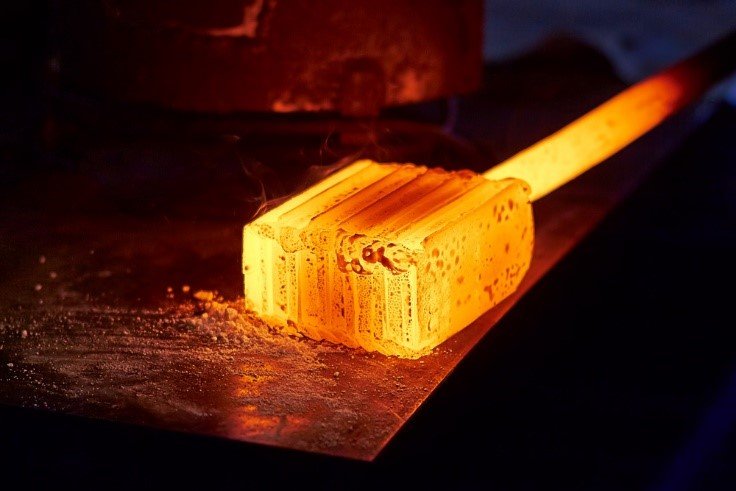
1. Materials That Achieve High Hardness Through Heat Treatment
Heat treatment is a controlled process of heating and cooling metals to modify their internal structure and mechanical properties. However, not all metals respond effectively to hardening treatment—the results depend mainly on the material’s chemical composition, especially carbon content and alloying elements.
Below are several materials well known for achieving high hardness through heat treatment:
Common Materials Capable of High Hardness
- Carbon Steel
Carbon is the key element responsible for hardening in steel. The higher the carbon content, the greater the hardness attainable after quenching. Medium- and high-carbon steels are commonly heat-treated for parts requiring high wear resistance. - Alloy Steel
Alloying elements such as chromium (Cr), molybdenum (Mo), nickel (Ni), and manganese (Mn) enhance the steel’s hardenability—its ability to form a uniform hardened structure. For example, SCM440 (chromium-molybdenum steel) is frequently used for high-strength bolts, shafts, and gears due to its excellent strength and toughness. - Tool Steel
Tool steels are specially designed for cutting tools, dies, and molds. With high carbon content and multiple alloying elements, they exhibit exceptional hardness, wear resistance, and thermal stability. A well-known example is SKD11, a high-carbon, high-chromium tool steel that can achieve HRC 58–62 after quenching. - Stainless Steel
Although primarily valued for corrosion resistance, certain martensitic stainless steels—such as SUS420—can also be hardened through quenching. This increases both strength and hardness, making them suitable for knives, surgical instruments, and bearing components. - Other Alloys
Some non-ferrous alloys, including specific aluminum and titanium series, can also gain improved hardness and strength through processes like solution treatment and age hardening.

2. Essential Heat Treatment Processes and Considerations
Achieving optimal hardness requires not only the right material but also precise control of the heat treatment process. Common hardening techniques include:
- Quenching
The steel is heated to a specific high temperature (austenitizing) and then rapidly cooled in a medium such as water, oil, or air. This transforms the internal structure into hard martensite, dramatically increasing hardness. - Tempering
Quenched steel, while extremely hard, tends to be brittle. Tempering involves reheating the steel to a lower temperature and holding it there for a set time to relieve internal stress, reduce brittleness, and balance hardness with toughness. - Surface Hardening
For components that require only a hard outer layer—such as gears—methods like carburizing or induction hardening are used. These create a highly wear-resistant surface while keeping the core tough and ductile.
3. Key Points to Keep in Mind
- Preventing Distortion and Cracking
Rapid cooling during quenching generates internal stress that can cause distortion or cracking. Careful control of cooling rates and part geometry is essential. - Importance of Material Selection
Understanding each material’s hardenability and characteristics ensures the correct heat treatment plan and desired performance outcomes. - Balancing Hardness and Toughness
Increasing hardness often reduces toughness. The essence of successful heat treatment lies in achieving the best balance between the two for each specific application.
Heat Treatment Insights & FAQ
(Click the triangle to find the answer.)
1. Why does some steel fail to reach desired hardness?
The most common reason is insufficient carbon content. Steel with less than 0.3% carbon (e.g., S20C) will not harden significantly during quenching. Improper heating temperatures or cooling rates can also cause failure.
2. Is higher hardness always better for a component?
Not necessarily. Increased hardness leads to brittleness. If a part withstands impact, excessive hardness may cause it to snap. Engineers use “Tempering” to balance hardness and toughness.
3. How does Excel Components maintain accuracy after heat treatment?
With nearly 50 years of experience, we utilize a workflow of: Rough Machining → Heat Treatment → Precision Grinding/Secondary CNC Machining to ensure parts meet micron-level tolerances.
4. Can SUS304 stainless steel be hardened via heat treatment?
No. SUS304 is austenitic; its crystal structure does not transform during quenching. For both rust resistance and high hardness, choose martensitic grades like SUS420 or SUS440.
5. Which material is best for “Hard Surface and Tough Core”?
We recommend Case Hardening Steels (Carburizing Steels) like SCM415 or SNCM220. The surface becomes wear-resistant while the core remains ductile and shock-absorbent.
Expertise in Precision Machining & Heat Treatment
Leverage nearly 50 years of manufacturing wisdom. We ensure your high-hardness components meet the rigorous IATF 16949 standards.
Excel Components MFG Co., Ltd. – Leading the Future of Precision.