





Excel Components – How to calculate fastener material costs
In the highly competitive fastener industry, accurate material cost calculation is essential for maintaining profitability and a competitive edge. Although fasteners are small, factors like material selection, manufacturing processes, and market volatility have a profound impact on the final cost. This article provides a deep dive into the components, calculation methods, and influencing factors of fastener material costs, along with strategies for effective cost management and reduction.
Core Components of Material Cost
Understanding the key cost elements in material sourcing is essential for achieving both quality and competitiveness in manufacturing.
A. Raw Material Cost
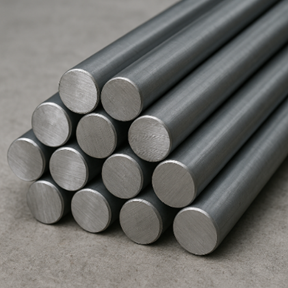
The direct purchase cost of base materials such as carbon steel, stainless steel, alloy steel, brass, or aluminum. Selecting the right material directly influences both performance and overall production expense.
B. Net vs. Gross Weight
Net weight refers to the finished product, while gross weight includes the additional material lost through cutting, machining, and trimming during production.
C. Processing Loss & Scrap Cost
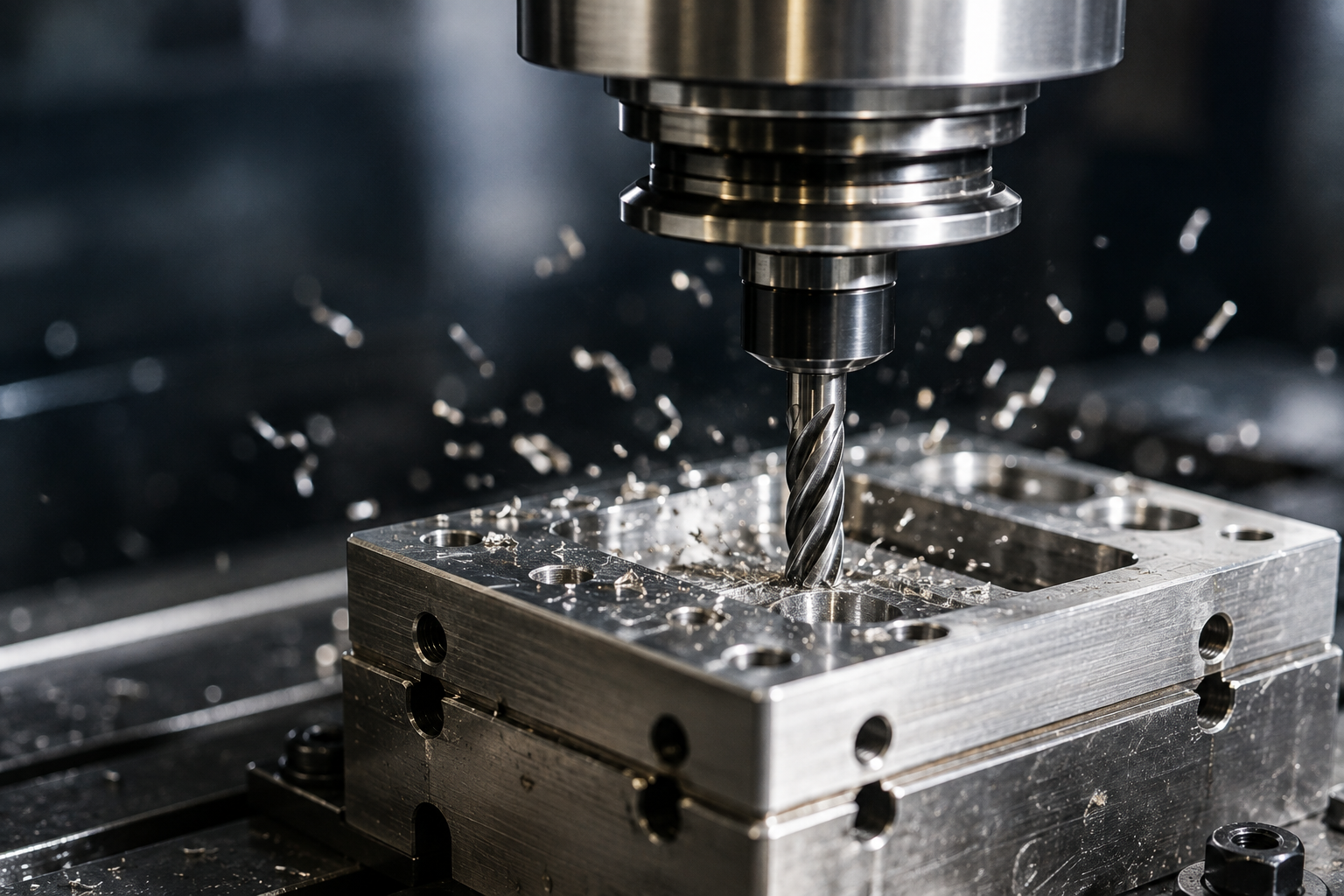
Material waste generated during forming, turning, or threading processes must be included in the total material cost. Optimizing tooling and machining parameters can help minimize this loss.
D. Tariffs & Duties
Import taxes and customs duties add to the overall material expense when sourcing from overseas suppliers.
E. Transportation & Logistics
Covers the cost of shipping, warehousing, and handling materials from suppliers to the manufacturing site. Efficient logistics planning reduces unnecessary overhead.
Key Considerations for Cost Optimization
A. Material Selection
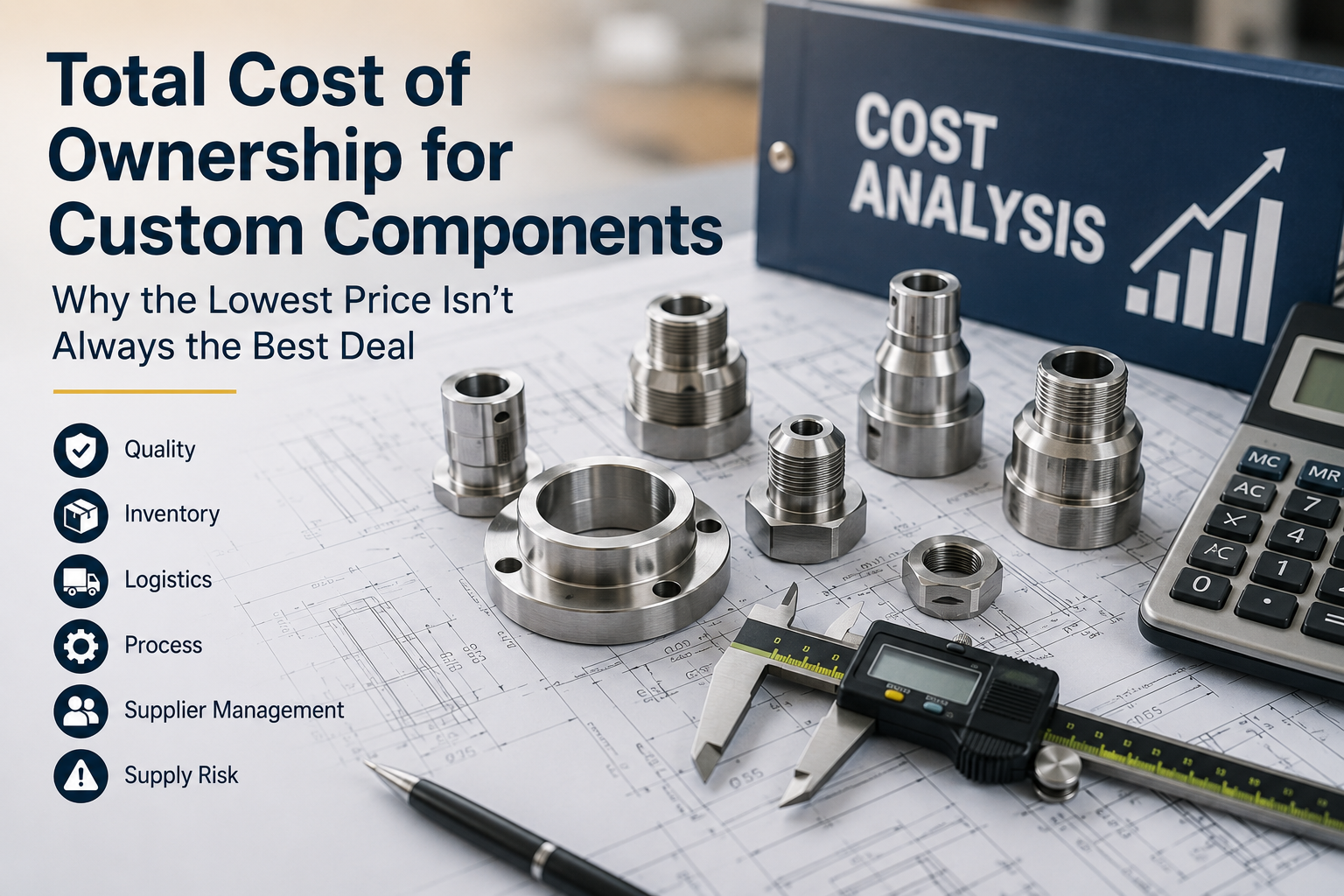
Choose materials that balance performance, durability, and budget. Overly low-cost materials can lead to quality issues and higher long-term costs.
B. Market Price Volatility
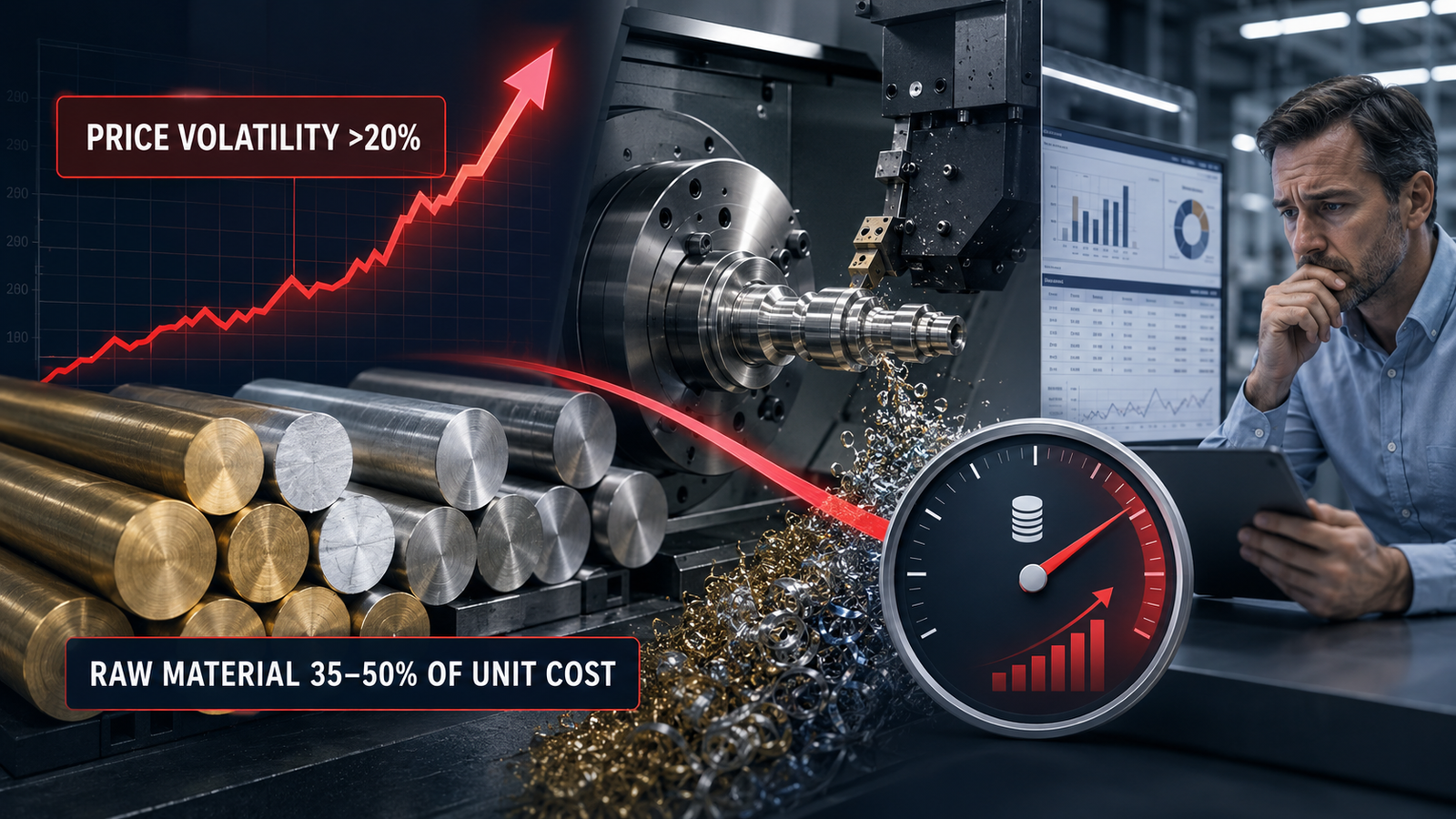
Raw material prices fluctuate based on global market trends. Implementing long-term contracts or strategic sourcing can help stabilize costs.
C. Process Optimization
Advanced machining and process control reduce scrap rates, improve yield, and lower total material consumption.
D. Supply Chain Management
Developing reliable supplier partnerships ensures consistent quality, better lead times, and favorable pricing.
E. Quality & Certification Requirements
High-performance sectors like automotive, aerospace, or defense often require certified materials and traceable processes, impacting overall cost.
Material Cost Calculator
Strategic Insights: Fastener Cost Optimization
(Click the triangle to see the answer.)
1. Why does part design heavily affect material costs?
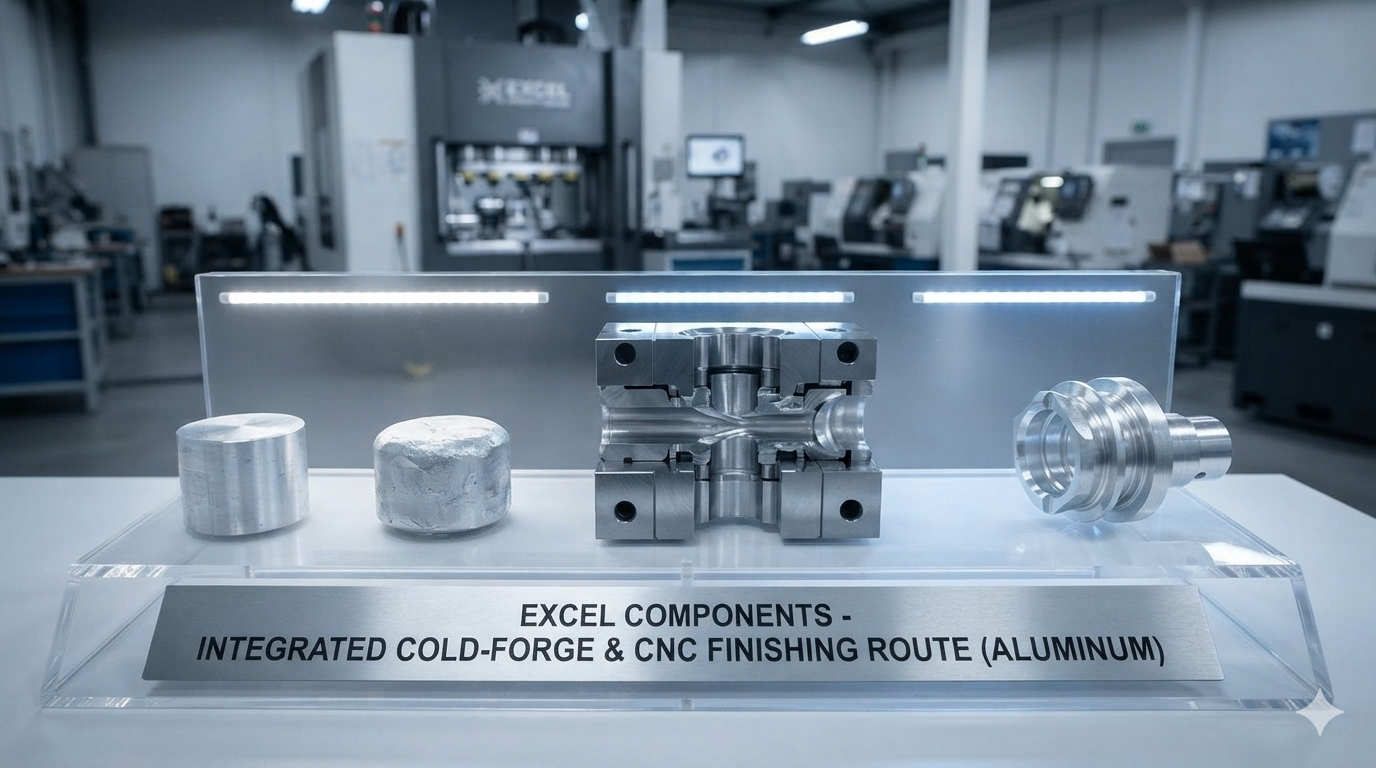
Design dictates the Material Utilization Rate. Complex geometries with large diameters differences create excessive scrap in CNC machining. We recommend Cold Forging or geometric adjustments to minimize raw material waste and lower total costs.
2. How do you manage risks from global metal price fluctuations?
For long-term contracts, we utilize a transparent Material Surcharge Formula linked to international indices like the LME. This provides a fair and stable pricing mechanism for both Excel Components and our clients.
3. Can selecting “Free-Cutting Steel” really save money?
Yes. Although the material cost per kg is higher, free-cutting steel allows for faster CNC cycle times and significantly longer tool life. For high-volume machining projects, this often results in a lower Total Cost of Ownership (TCO).
4. Why is the cost difference between stainless and carbon steel so high?
Stainless steel involves higher raw material prices and increased tool wear during production. Additionally, the Nickel Surcharge is a volatile variable that must be accounted for in the final material cost structure.
5. Does Excel Components offer early-stage cost estimation?
Leveraging nearly 50 years of manufacturing intelligence, we assist clients during the DFM (Design for Manufacturing) phase. We provide cost modeling and forging feasibility analysis to ensure your project stays within budget from day one.
Optimize Your Procurement Costs Today
Don’t let opaque cost structures affect your bottom line. Partner with Excel Components to benefit from nearly 50 years of manufacturing wisdom and data-driven cost analysis.