





How Automotive QA and Procurement Can Eliminate Fastener Material Mix-Ups and Avoid Costly Recalls
Optimize supply chain quality control, ensure material compliance, and eliminate vehicle recall risks with advanced spectrometry testing.
In the automotive parts supply chain, a single non-conforming fastener can trigger severe structural failure and cause high-cost vehicle recall risks. Therefore, effectively preventing an automotive fastener material mix-up is one of the most critical responsibilities for procurement and quality assurance (QA) teams. When non-conforming raw materials enter the production line unnoticed, it causes massive financial losses and reputational damage to the enterprise.
Automotive Standards and Mandatory Incoming Inspection (IQC/PMI)
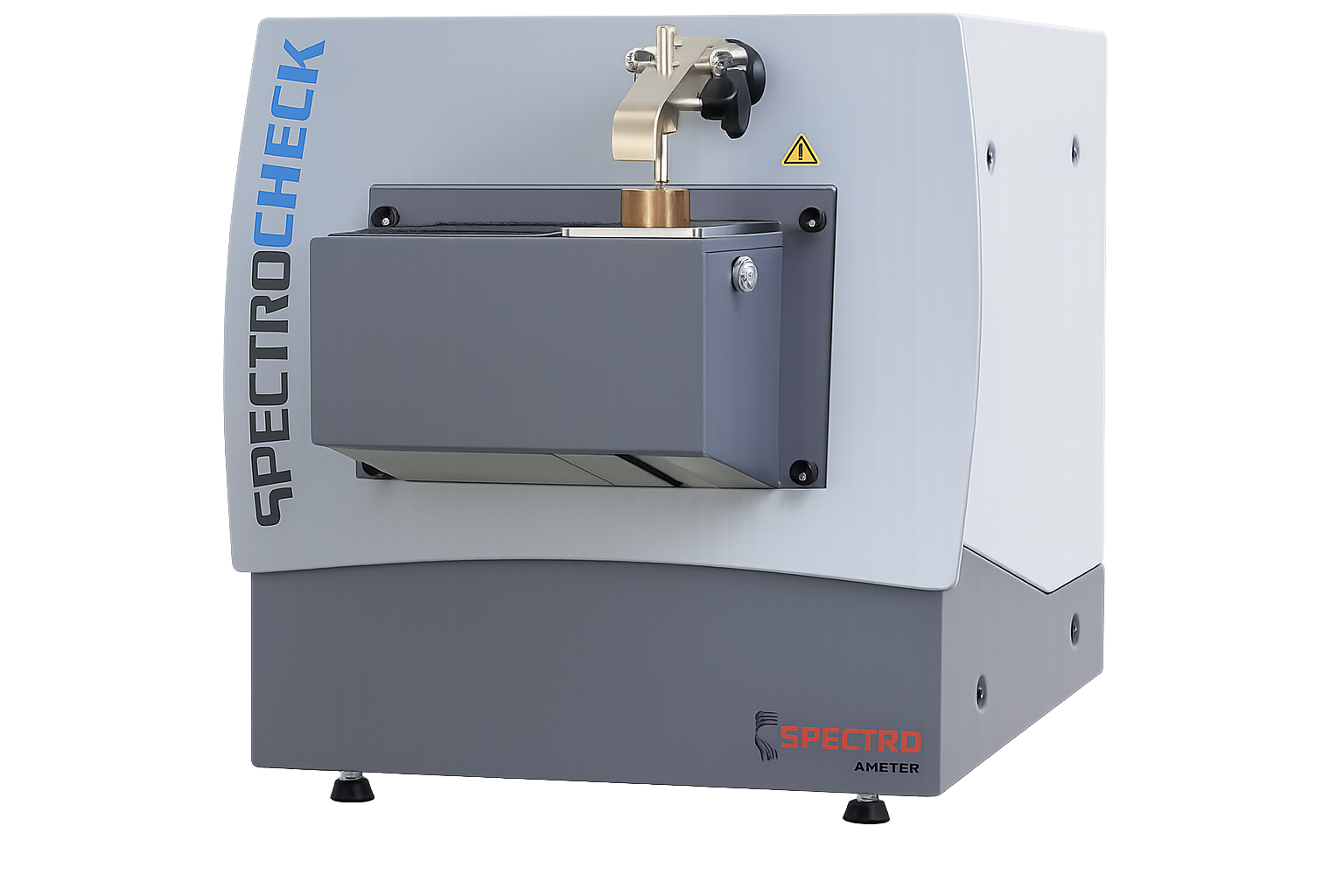
The material chemical composition of fasteners in critical automotive parts must fully comply with strict specification requirements. Since mill certificates are for reference only, mandatory incoming quality control (IQC) paired with positive material identification (PMI) via spectrometer analysis must be used to physically verify material data.
Implementing rigorous material verification guarantees structural safety across all manufacturing stages:
- 100% Chemical Compliance: Validates raw material chemical composition before entering production.
- Risk Elimination: Blocks substandard metals from reaching critical assembly lines.
- Audit Readiness: Ensures complete material traceability according to global automotive standards.
In-House Spectrometry: Preventing Automotive Fastener Material Mix-Ups and Streamlining Supply Chains
Manufacturers equipped with in-house Optical Emission Spectrometers (OES) can complete material chemical testing immediately upon arrival of raw materials. Furthermore, every shipment can be supplied with a corresponding material analysis report to ensure product composition fully meets specifications.
This proactive testing framework provides two distinct operational benefits:
- Cost Reduction: Helps clients eliminate the expenses associated with frequent third-party laboratory testing.
- Accelerated Lead Times: Significantly shortens inspection turnaround times, building a highly efficient supply chain model.
Comparison: Traditional Quality Process vs. In-House Spectrometry Verification
| Inspection Method | Risk Level | Lead Time | Client Testing Cost |
|---|---|---|---|
| Mill Certificate Only | High Risk (Potential Mix-ups) | Standard | High (Requires 3rd-Party Audits) |
| In-House Spectrometry (OES/PMI) | Zero Risk (Verified Data) | Fast Turnaround | Low (Verified Reports Included) |
Conclusion: Securing Quality and Efficiency in Automotive Supply Chains
Preventing an automotive fastener material mix-up requires strict incoming inspections and immediate material chemical verification. By providing verified material reports with every shipment and performing in-house spectrometry, manufacturers eliminate raw material non-conformity risks while cutting customer testing costs.
Partner with Excel Components MFG Co., Ltd
Our team at Excel Components MFG Co., Ltd has the exact capabilities and advanced inspection equipment to give you peace of mind. Quality assurance and procurement teams can thus protect their brand reputation, reduce lead times, and ensure a reliable, highly efficient supply chain.