





Why Precision Machining Matters for Robot Joint Flexibility
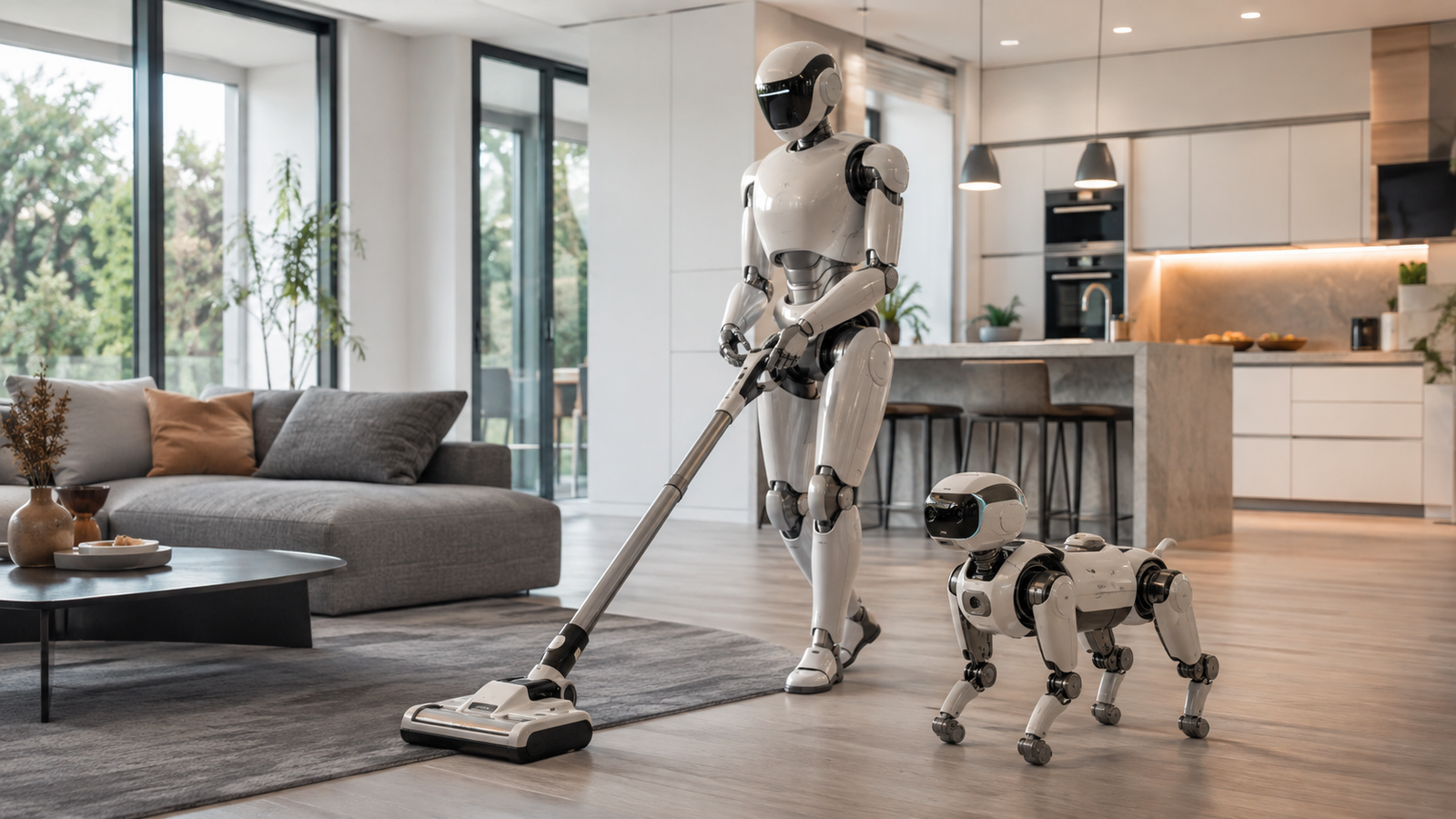
Precision machining for robot joint components plays a critical role in the fast-growing market for robotic dogs and service robots, where applications range from industrial inspection and logistics to home companionship and elderly care. Industry reports point to strong double-digit growth in the service robotics sector over the coming years, as manufacturers race to build machines capable of navigating complex, human-centered environments.
Behind this trend, machining accuracy directly determines how smoothly a robot moves, how much load it can carry, and how long it lasts. A poorly toleranced joint component can significantly compromise a robot’s agility and shorten its service life. This article looks at two key areas — tolerance control and choosing the right precision machining partner for robot joint components — to explain how manufacturers can ensure quality and performance.
The Importance of Tolerance Control in CNC Machining for Robot Joints

Robot joints are high-frequency moving parts, requiring far tighter tolerances than typical mechanical components. Whether it’s a ball joint or a multi-axis rotating structure, the clearance between mating parts must be controlled within an extremely narrow range to ensure precise, smooth motion.
When tolerances fall short, the effects often aren’t immediately visible — they emerge gradually over time, showing up as unusual noise, stiffness, or accelerated wear, ultimately reducing the robot’s operational lifespan and reliability. This is especially critical for service robots and robotic dogs, which rely on prolonged, high-frequency movement.
Consequences of Poor Tolerance Control
| Issue | Effect on Robot Performance |
|---|---|
| Abnormal noise | Indicates excessive clearance between mating parts |
| Stiffness / jerky motion | Reduces smoothness and responsiveness of movement |
| Accelerated wear | Shortens component and overall product lifespan |
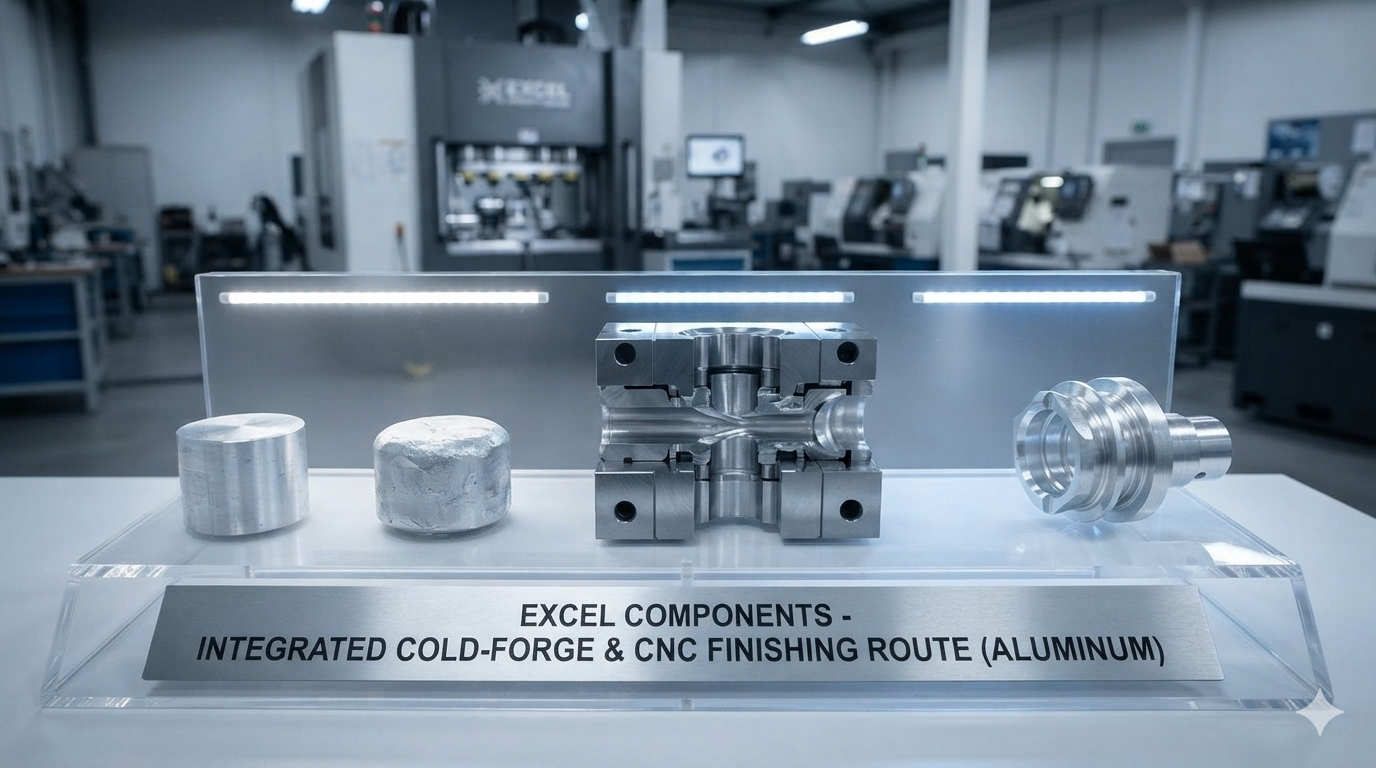
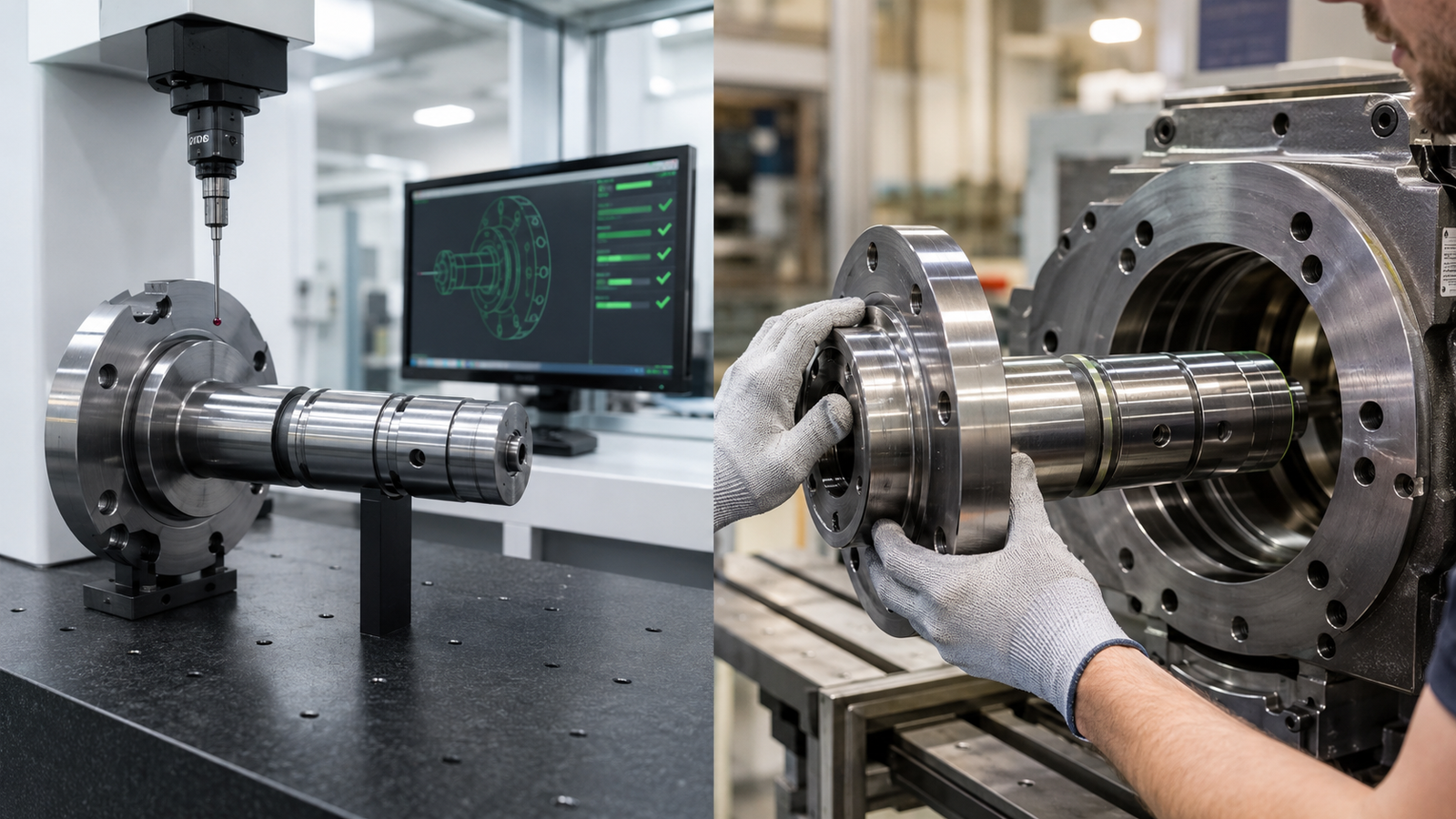
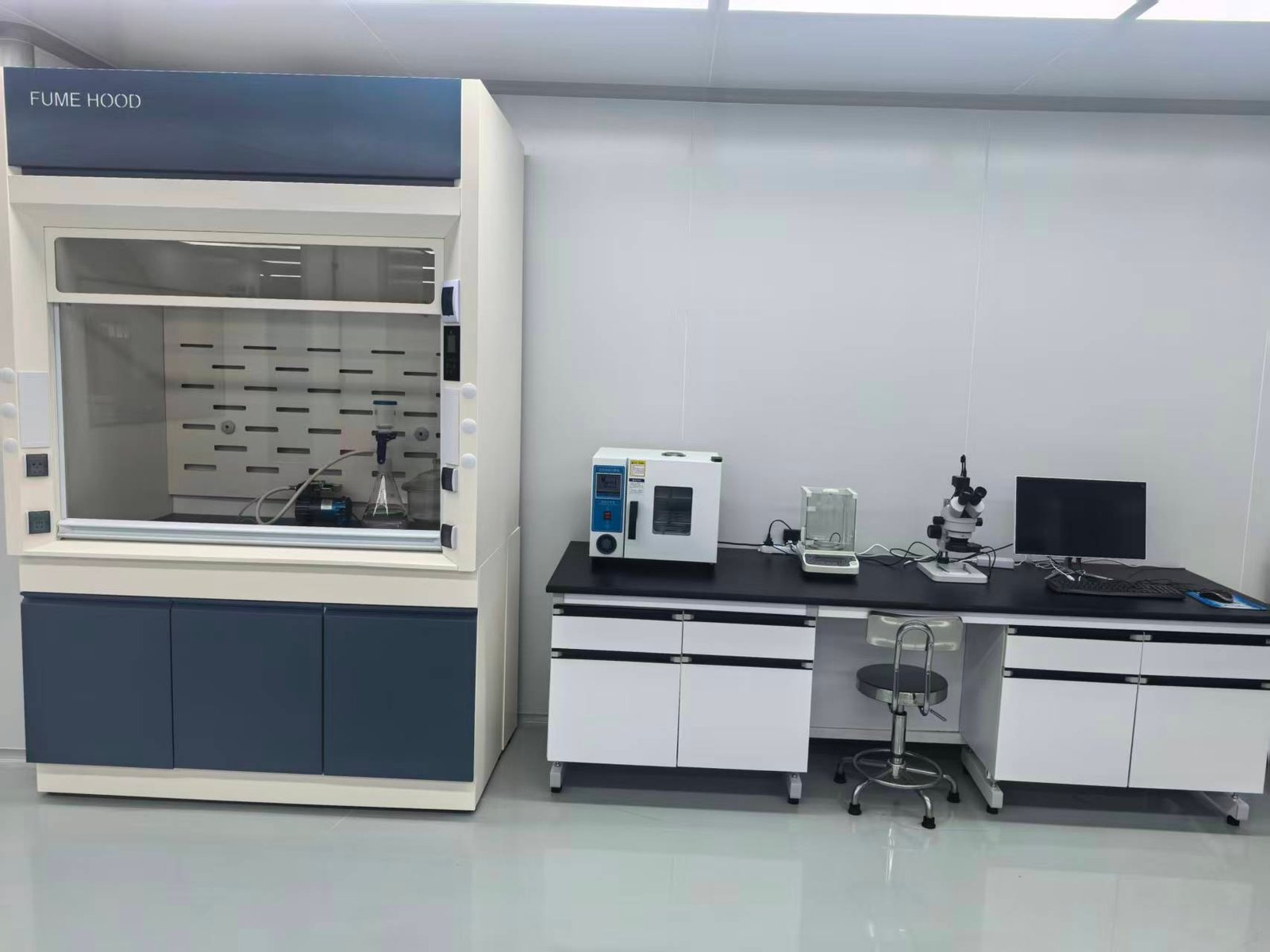
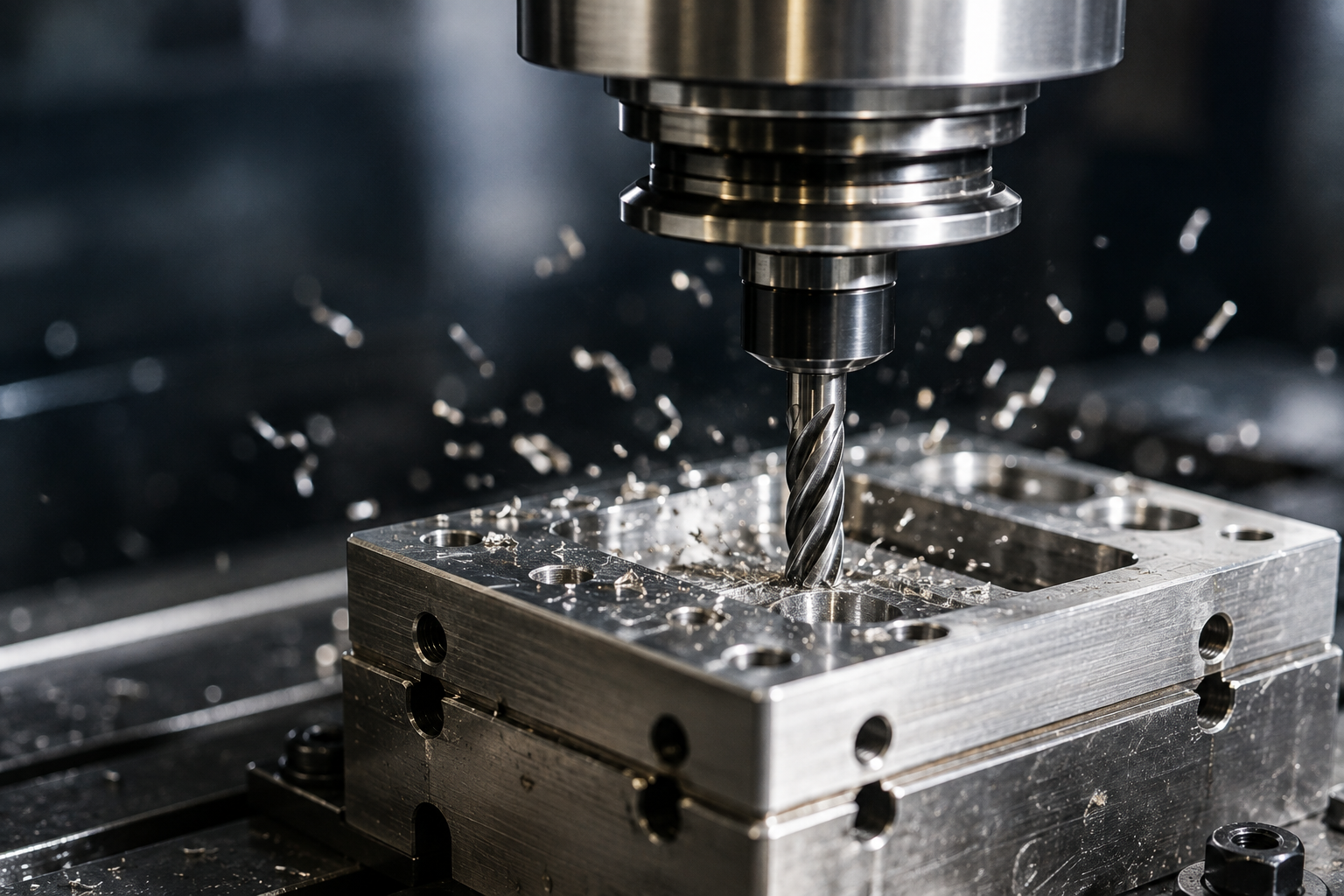
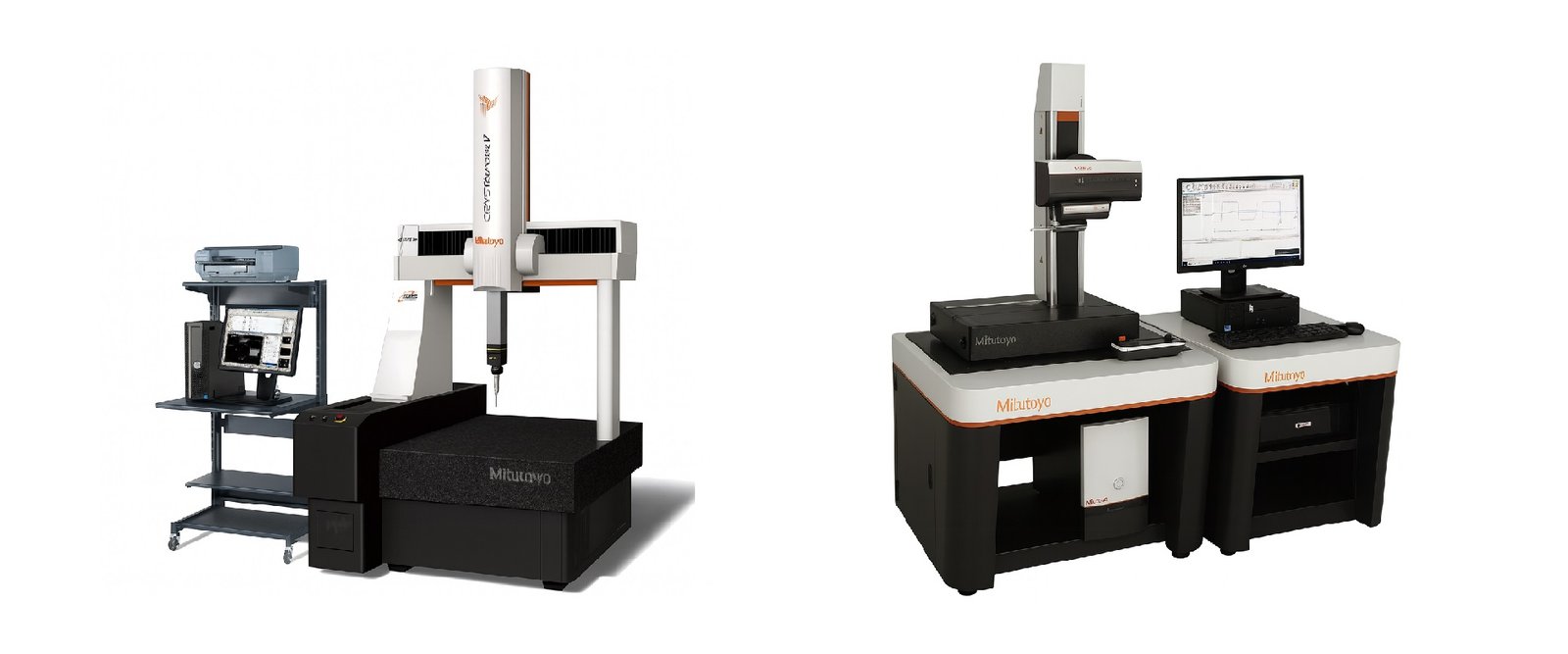
EXCEL COMPONENTS invests in 5-axis CNC machining equipment, capable of producing complex curved surfaces and multi-angle holes in a single setup, reducing the cumulative error that comes from repeated repositioning. This is paired with CMM (coordinate measuring machine) inspection systems, a widely used industry standard for dimensional verification (per ISO measurement guidelines), to verify critical dimensions on every part. This level of control is central to reliable precision machining for robot joint components, ensuring each part meets design tolerances from the very first batch.
How to Choose a Precision Machining Partner for Robot Joint Components
Robot joint components are typically low-volume, high-mix parts, often still evolving through the design refinement stage. This creates challenges distinct from traditional mass production: fast prototyping turnaround, flexibility to accommodate design changes, and no compromise on precision along the way.
Three Key Evaluation Criteria
- 5-axis / multi-axis machining capability — essential for producing the complex geometries and angled features common in joint components, allowing intricate curved surfaces to be completed in a single setup rather than multiple operations.
- Smooth prototype-to-production transition — avoids delays that slow down development timelines, particularly important for robotics teams working under tight product launch schedules.
- Robust quality control process — including CMM inspection and SPC (statistical process control) to ensure consistent part quality across every production batch, not just the first sample.
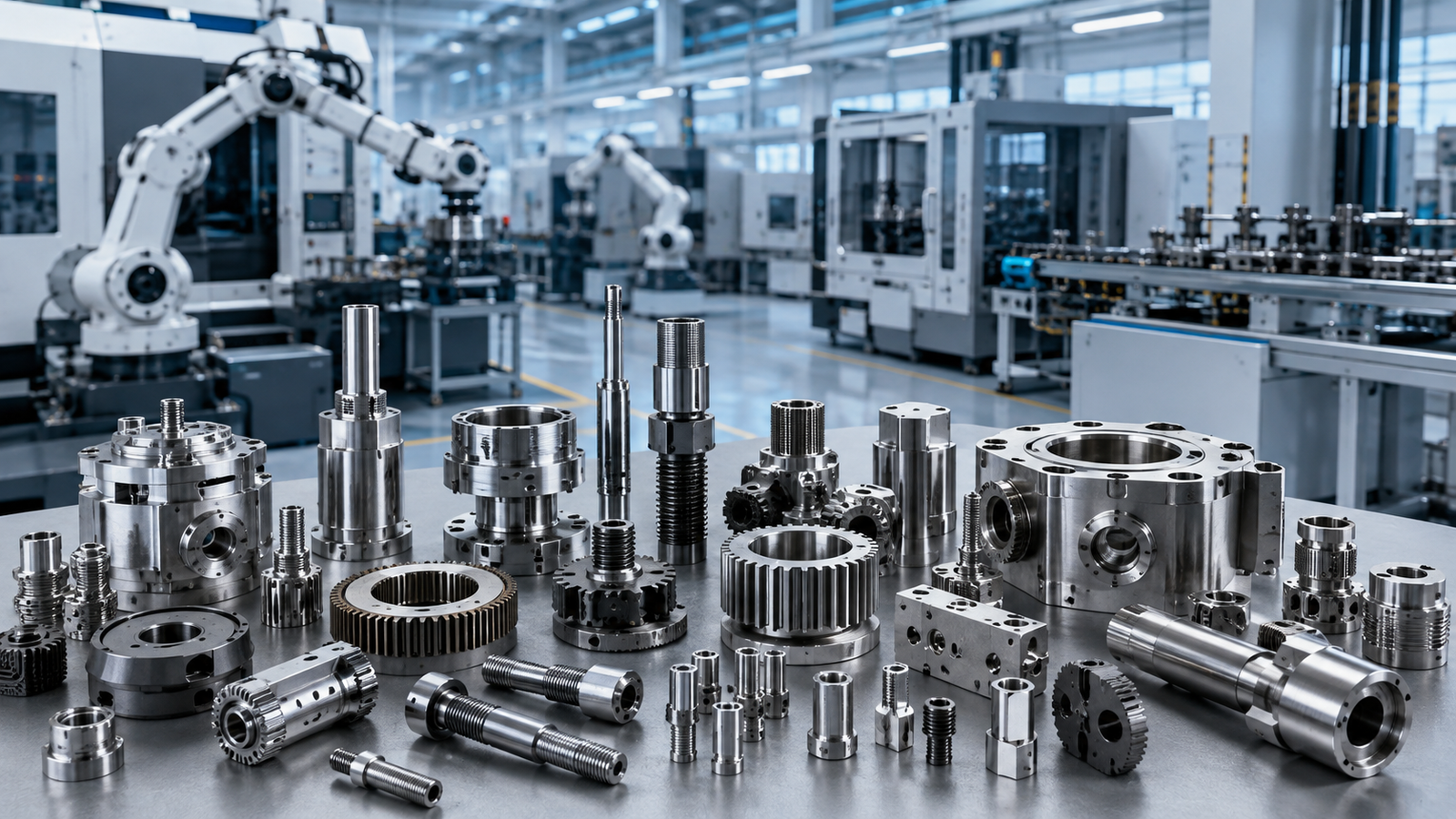
A precision machining partner with these capabilities can genuinely support a robotics team from prototype validation through to full production, reducing costly trial-and-error along the way. See our related guide on our CNC machining center capabilities for more on how supporting components affect overall robot performance.
Real-World Applications in Robotics
Precision machining for robot joint components is what makes complex, human-like movement possible in quadruped robots used for industrial inspection and robotic arms deployed in service environments. A robot climbing stairs, adjusting its gait on uneven terrain, or gently gripping an object all depend on joints that respond with minimal play and consistent repeatability.
As robotics manufacturers push toward smaller, lighter, and more agile designs, the demand for tightly toleranced, custom-machined joint components will only continue to grow — making the choice of machining partner an increasingly strategic decision, not just a sourcing one.
Conclusion
Precision machining for robot joint components affects far more than the quality of a single part — it shapes the agility and lifespan of the entire robot. Precision, inspection capability, and manufacturing flexibility are all essential parts of reliable robot joint component machining, working together to deliver joints that move smoothly and last.
If you’re looking for a machining partner to support your robot joint component development, reach out to EXCEL COMPONENTS — our team is ready to support you from prototyping through to production.