





CNC Prototype to Mass Production: When to Switch Manufacturing Processes
Moving from CNC prototype to mass production is not a simple choice between machining and cold forging. It is a manufacturing-route decision that determines which features should be formed, which must remain CNC-machined, and when external thread rolling becomes commercially practical. The best result comes from matching the process to drawing stability, forecast demand, validation scope, and total project cost.
A successful CNC prototype to mass production transition therefore requires more than higher order volume. Engineering teams must determine whether the design is stable enough for tooling, whether the material and geometry are suitable for forming, and whether the expected savings justify the additional validation and tooling investment.
CNC Prototype to Mass Production Fails When the Design Is Still Moving
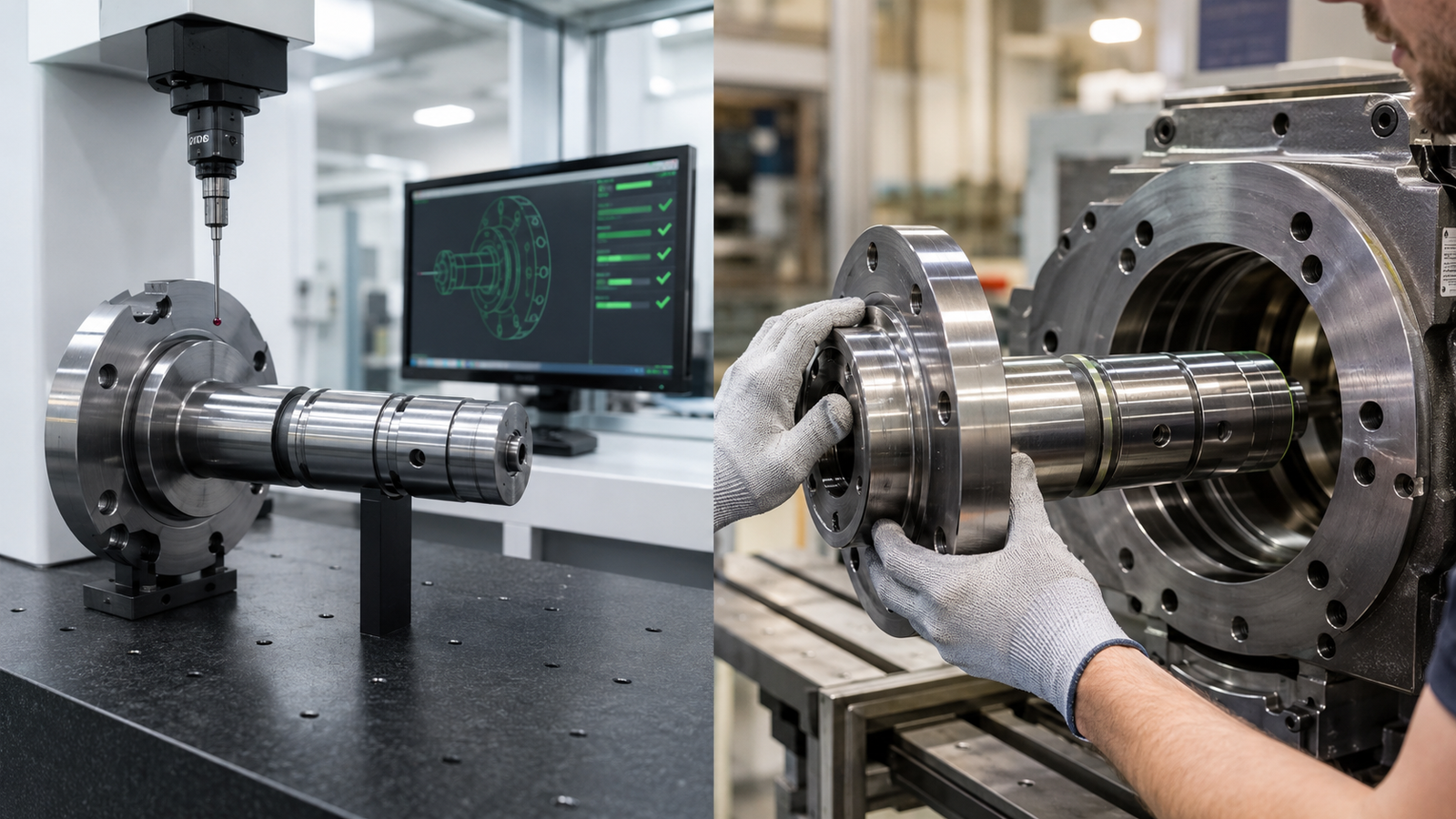
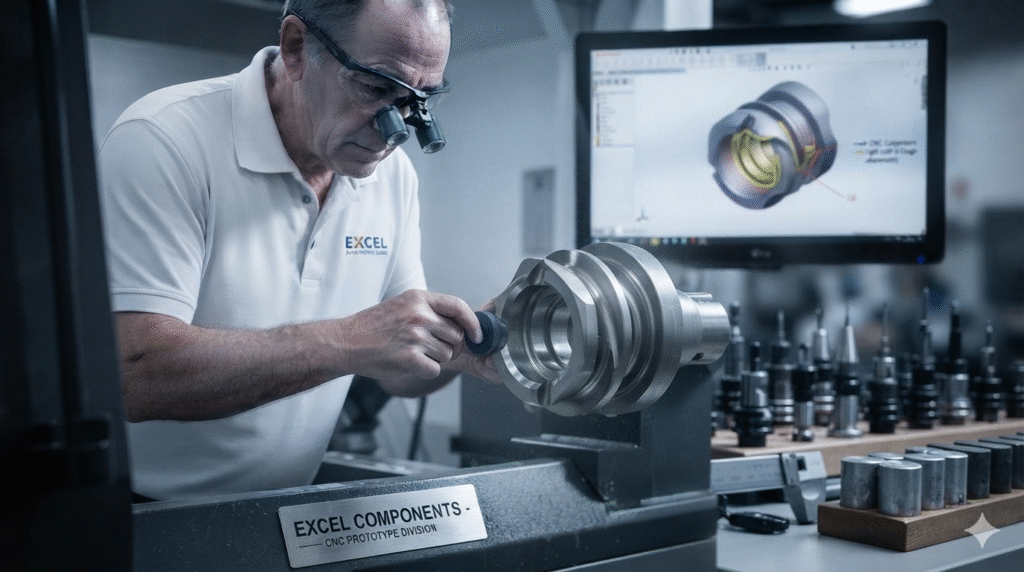
CNC turning and turn-mill machining are effective during development because they require no dedicated forming dies and can accommodate drawing revisions quickly. They also suit lower volumes, complex geometry, deep holes, grooves, special faces, and localized tight tolerances. Opening production tooling before these characteristics are stable can create die rework, repeated validation, and obsolete inventory.
A CNC prototype to mass production process change should begin only after the drawing revision, assembly interface, material specification, thread requirements, and critical characteristics are controlled. A stable drawing does not mean every dimension must be formed; it means the team can confidently separate formable geometry from features that still need precision machining.
Low Tooling Cost Does Not Always Mean Lower Project Cost
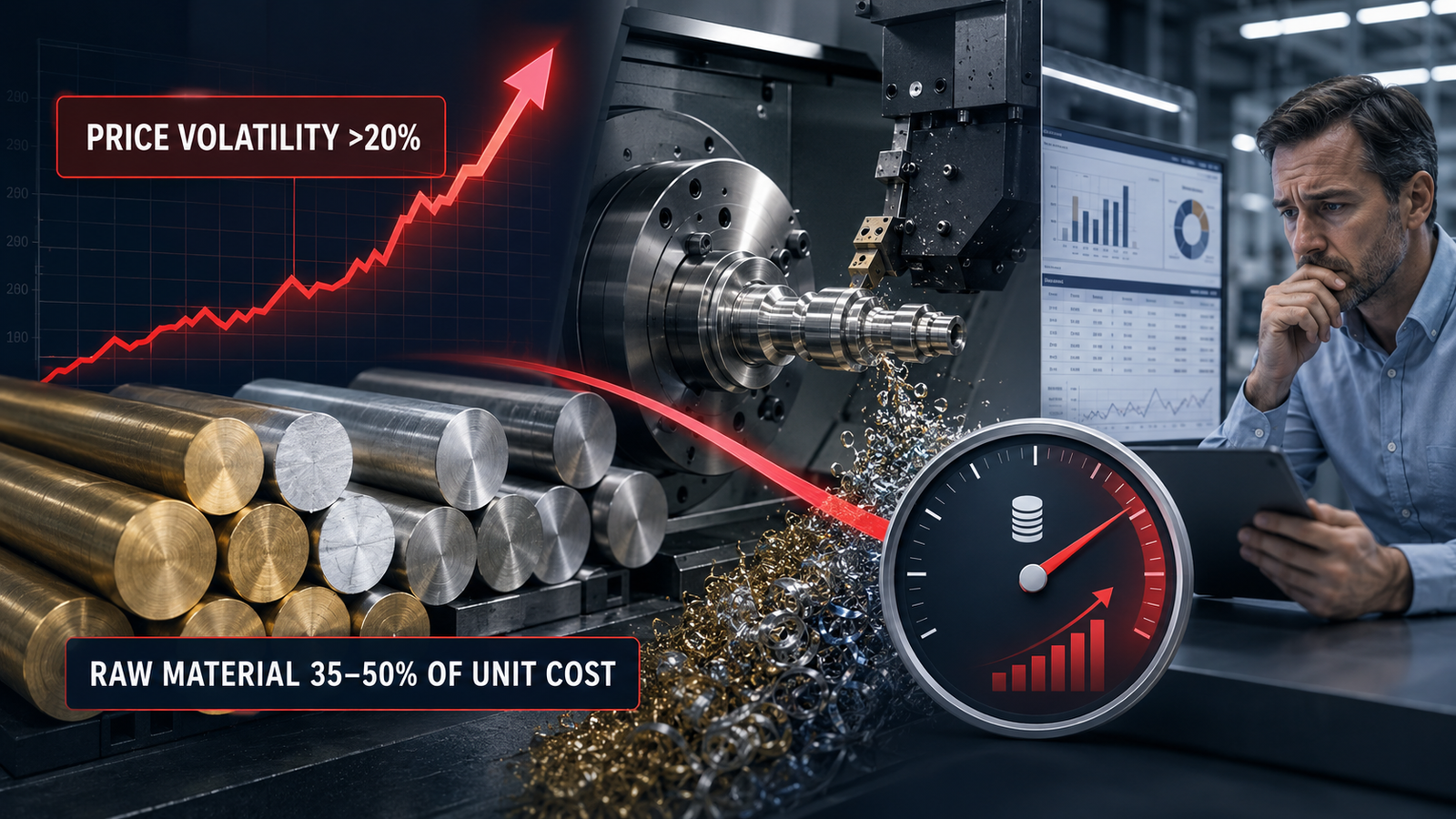
An all-CNC route usually has a lower initial commitment, but its recurring cost includes bar-stock removal, machine time, cutting tools, setup, inspection, and chip handling. A tooling-based route may require dies, fixtures, die trials, and sample approval, yet it can reduce cycle time and material loss after demand becomes repeatable. Comparing only the first unit quote hides this difference.
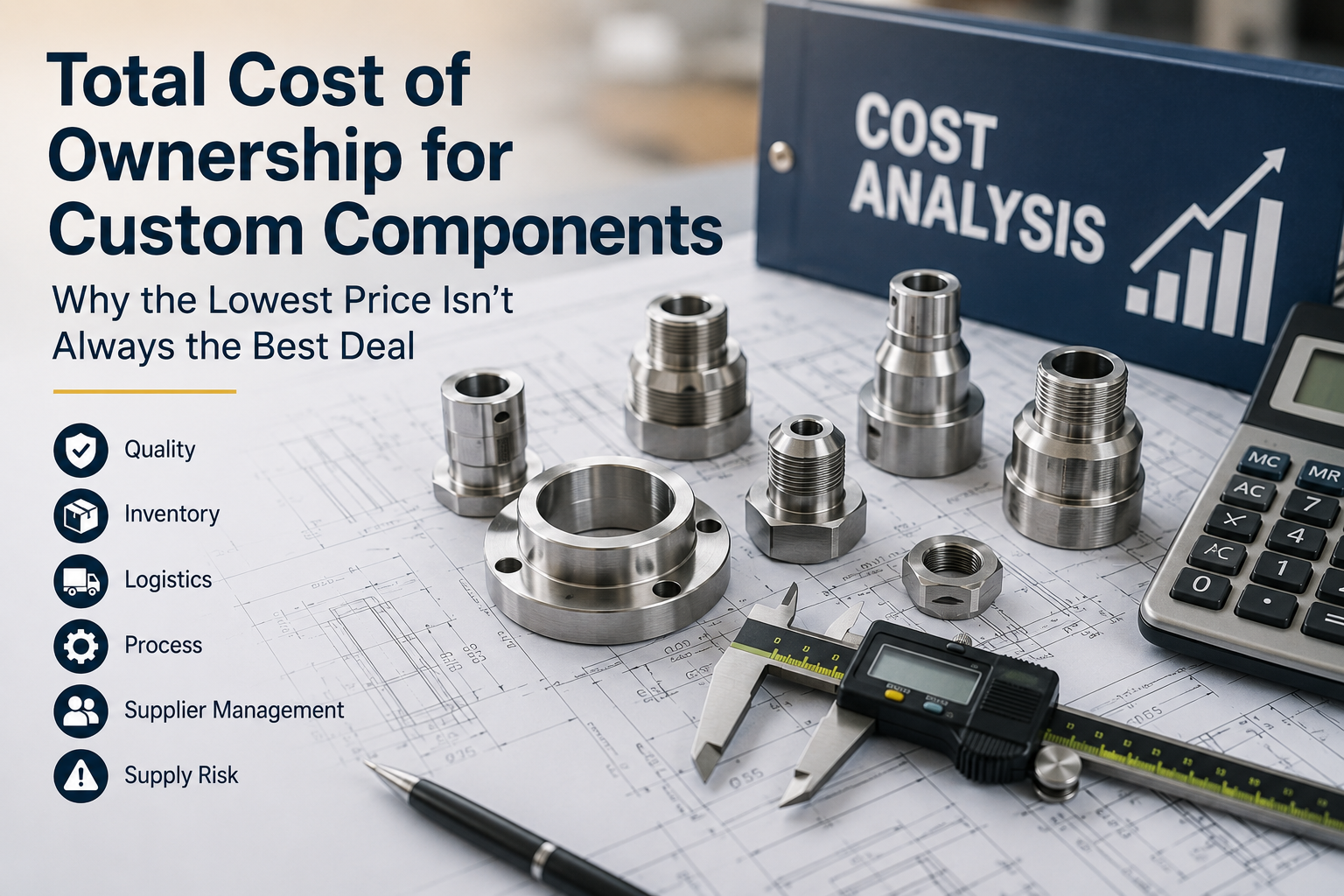
For a CNC prototype to mass production project, the commercial review should include tooling amortization, material utilization, secondary operations, quality documentation, changeover time, forecast risk, and expected program life. This total-cost view prevents a low-volume project from being forced into premature tooling and prevents a mature program from carrying avoidable machining cost for years.
Cold Forging and Thread Rolling Solve Different Manufacturing Problems
CNC machining preserves revision flexibility
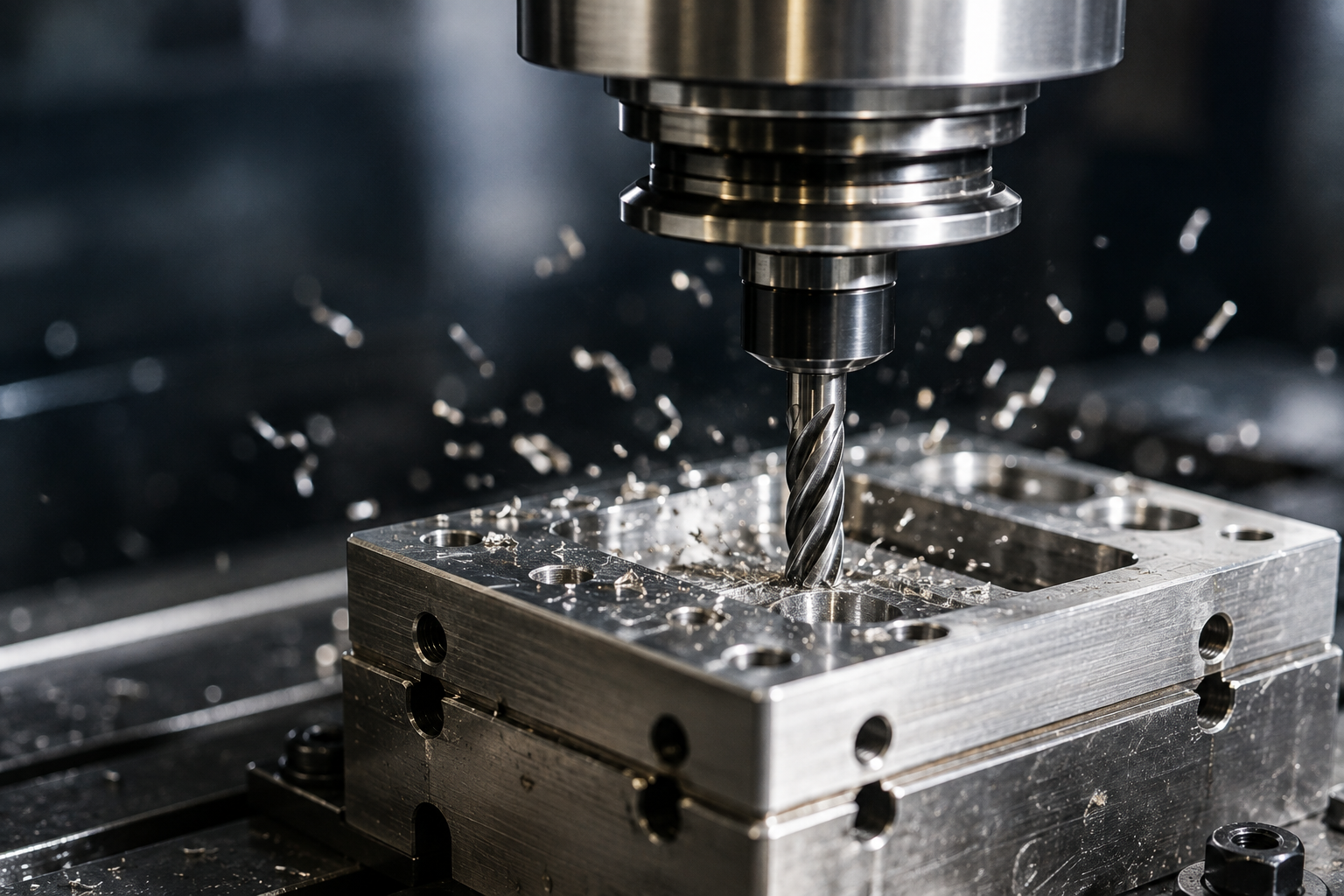
CNC machining removes material to create the specified geometry and is particularly useful when the design contains features that cannot be produced reliably by forming. Its flexibility supports prototypes and lower-volume production, but cost generally rises with stock removal, machining time, and tool consumption.
Cold forging moves material toward the final shape
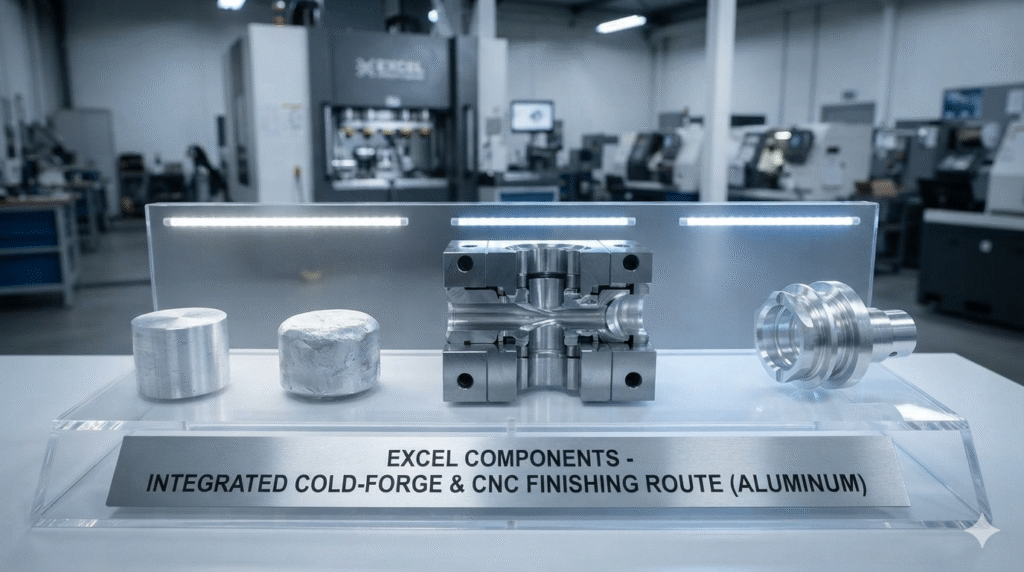
Cold forging plastically forms metal in dies to create a head, shank, flange, or near-net-shape blank. When material and geometry are formable, it can reduce rough machining and support a faster production cycle. It does not automatically eliminate CNC finishing for bores, grooves, precision faces, or assembly-critical dimensions.
Thread rolling forms external threads as a separate operation
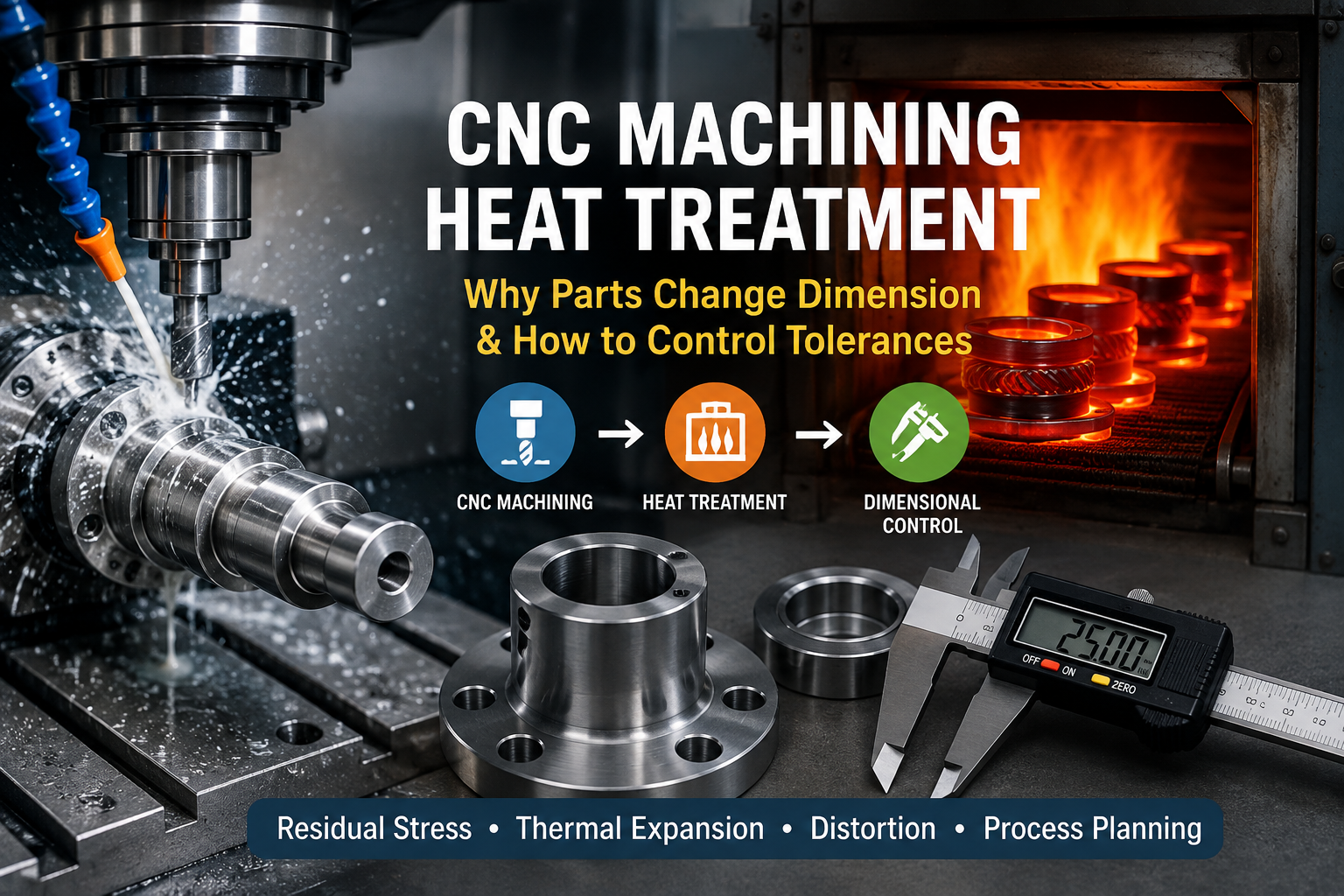
Thread rolling displaces material with dies or rollers to create an external thread instead of cutting it away. It can follow a cold-forged blank or a CNC-turned pre-roll diameter, depending on material, geometry, and performance requirements. Final thread performance still depends on heat treatment, rolling parameters, root geometry, and applied load.
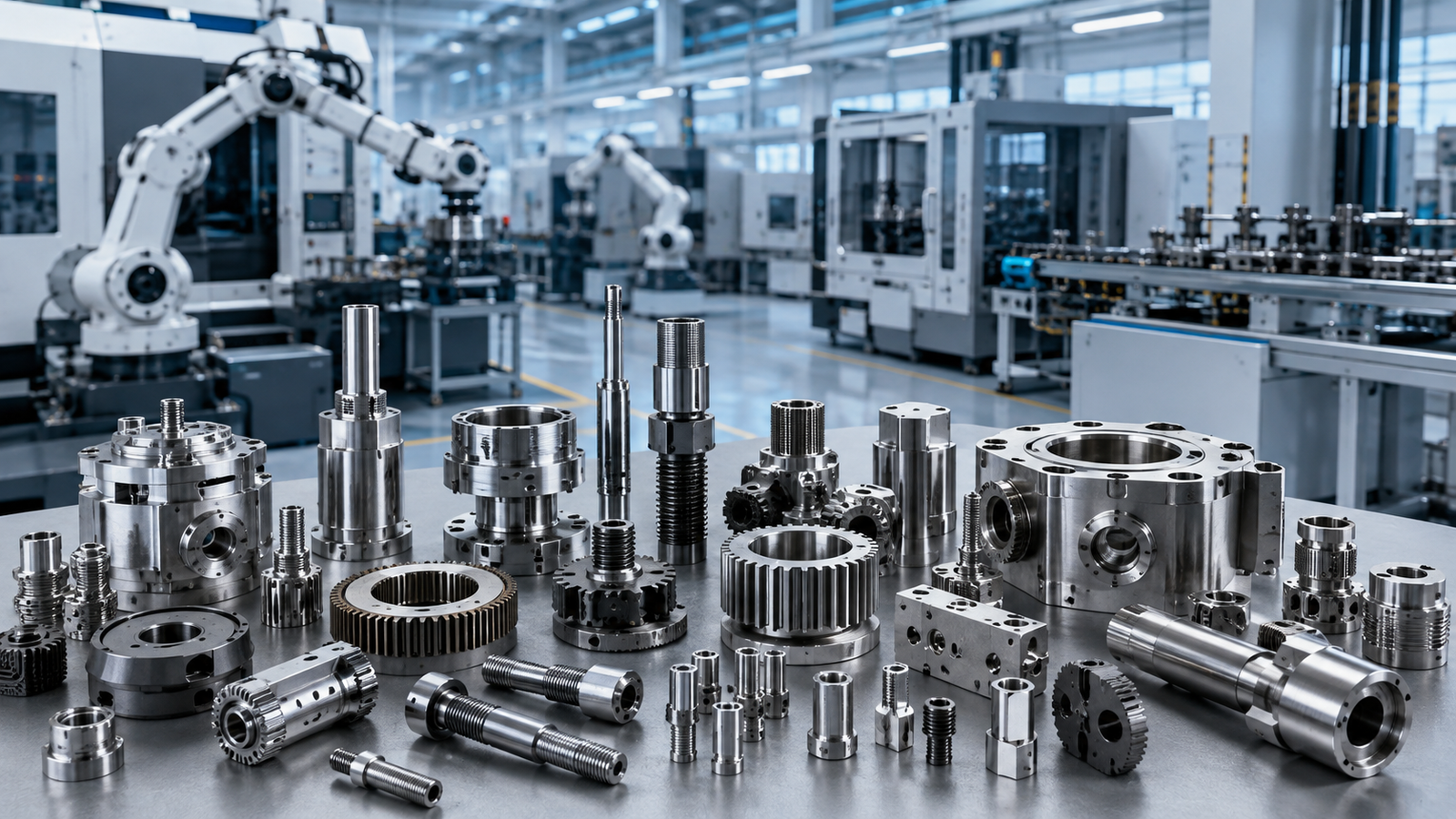
When planning a CNC prototype to mass production conversion, these processes should not be treated as direct substitutes. CNC machining, cold forging, and thread rolling can be combined to achieve the required balance between cost, dimensional control, and production efficiency.
A Hybrid Route Reduces Machining Without Sacrificing Critical Tolerances
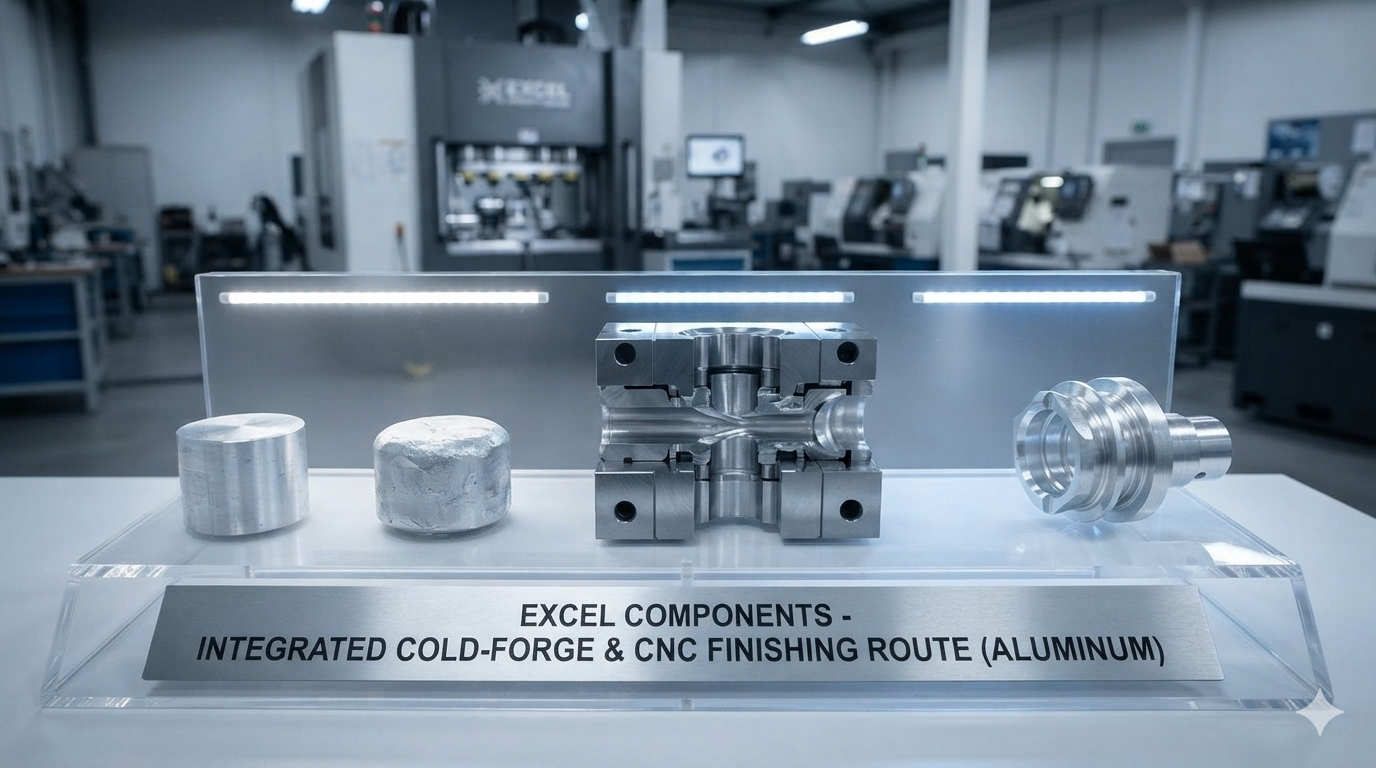
Many custom fasteners do not fit an all-CNC or all-formed model. A cold-forged blank plus CNC finishing and external thread rolling can reduce unnecessary stock removal while preserving control of critical bores, datums, faces, grooves, and fit dimensions. This route is especially useful after the external form is stable but some functional features still require machining.
For many CNC prototype to mass production programs, a hybrid manufacturing route is a practical intermediate step. Instead of redesigning the complete component for forming, manufacturers can form the high-material-volume geometry first and retain CNC machining only where precision is essential.
| Production route | Best-fit project condition | Main cost behavior | Key risk to control |
|---|---|---|---|
| All-CNC machining | Prototype, low volume, high mix, or changing drawing | Lower tooling commitment; higher recurring machining and material-removal cost | Cycle time, tool life, chips, and accumulated process variation |
| Cold-forged blank + CNC + thread rolling | Stable external form with critical machined features | Lower rough-machining content with moderate tooling and multi-process control | Blank tolerances, machining datums, handoffs, and traceability |
| Cold forging + thread rolling | Stable geometry, large repeat volume, and limited secondary machining | Higher upfront tooling; stronger unit-cost potential after volume and yield stabilize | Drawing changes, die life, lot size, and process capability |
Break-Even Quantity Prevents Premature Tooling Investment
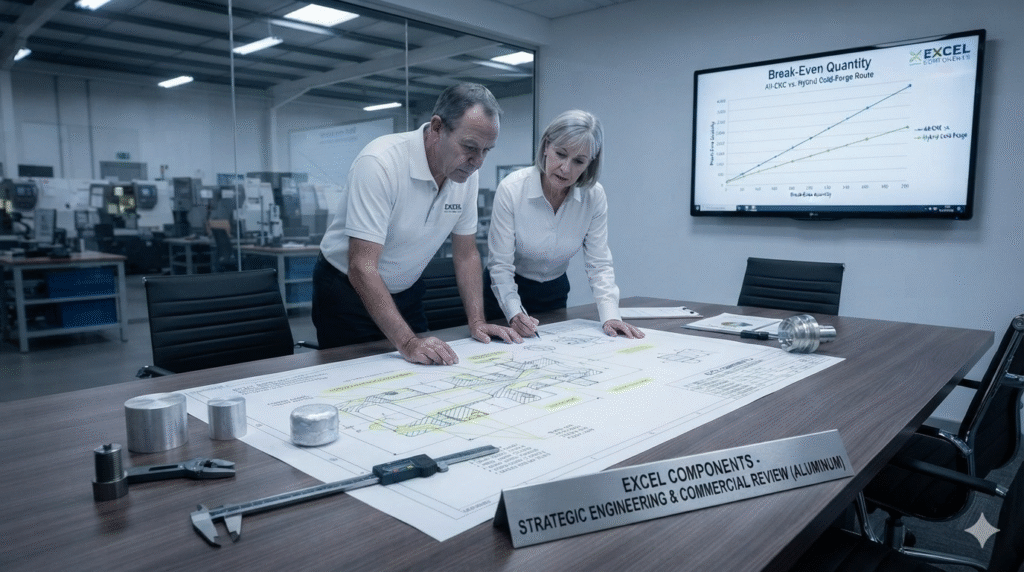
A fixed market rule such as switching after a certain number of pieces ignores part size, material, die complexity, secondary machining, validation, and program life. A more reliable starting point is: break-even quantity = tooling, die-trial, and conversion-validation cost divided by the unit-cost difference between the original CNC route and the proposed production route. The formula is meaningful only when the proposed route has a genuinely lower recurring unit cost.
The result should be tested under conservative and expected demand scenarios. Lower annual volume, a shorter program, a drawing revision, or reduced die life pushes the break-even point later, while stable multi-year demand and a large reduction in machining time bring it forward.
This calculation is particularly important when evaluating CNC prototype to mass production because production tooling may lower unit cost but also creates a financial commitment that cannot easily be recovered after a design change.
Stable Drawings and Demand Are the Real Green Light
Before changing the route, engineering and procurement teams should confirm the following items together. Each item affects not only feasibility but also tooling payback, production release, and supply risk.
- Design stability: drawing revision, assembly interface, critical characteristics, and expected changes.
- Demand profile: prototype quantity, order-lot size, annual forecast, and expected program life.
- Formability: material ductility, head-to-shank ratio, wall thickness, forming direction, and section changes.
- CNC-retained features: precision bores, deep holes, eccentric geometry, grooves, datums, and special surfaces.
- Validation scope: samples, dimensional reports, thread gauges, mechanical tests, heat treatment, coating, traceability, and PPAP.
General manufacturing and process-development information is also available from
NIST Manufacturing.
External references can help engineering teams evaluate manufacturing technology while project-specific feasibility should still be confirmed against the actual drawing and material requirements.
Comparable RFQ Data Prevents Misleading Quotations
Two prices cannot be compared fairly when suppliers work from different assumptions. Provide the same 2D drawing, 3D model, material grade, quantity forecast, critical tolerances, thread specification, surface treatment, quality documents, and delivery target for every route. Also define tooling ownership, expected die life, maintenance responsibility, minimum lot, and the handling of future drawing revisions.
A complete RFQ enables the supplier to evaluate all-CNC, hybrid, and tooling-based production on the same technical and commercial basis. For a CNC prototype to mass production project, this comparison also makes any excluded inspection, treatment, packaging, tooling, or documentation cost visible before production begins.
Choose the Process Route That Matches Project Maturity
There is no universal volume that makes CNC prototype to mass production automatically economical. The right timing depends on drawing stability, material formability, demand visibility, secondary operations, quality validation, and the savings available after tooling. A staged route can begin with CNC, move to a cold-forged blank with CNC finishing, and adopt more forming only when the project supports it.
The most effective CNC prototype to mass production strategy is therefore not simply to replace CNC machining as quickly as possible. The objective is to introduce forming and tooling only where they provide a measurable production advantage without compromising critical dimensions, validation requirements, or supply flexibility.
Send your 2D/3D drawing, material, estimated quantity, critical tolerances, surface treatment, and required delivery date.
Contact Our Engineering Team
to request a manufacturing quotation based on your drawing and production requirements.