





Automation’s Growth Is Making Component Requirements More Complex
The humanoid robotics and industrial automation market is expanding rapidly, from assembly arms on automotive lines to autonomous mobile robots in logistics warehouses. Behind this growth lies a demand that goes far beyond standard, single-spec parts. Precision manufacturing for industrial automation fundamentally tests whether a supplier can handle joint structures, gearbox housings, bearing housings, and connecting rods all at once, rather than being limited to a single machining process.
For robotics startups iterating quickly on their products, the complexity of the component supply chain is often harder to manage than expected. A single design revision can touch half a dozen different part types at once, and each of those parts may need to move through a different specialist before it’s ready for assembly.
What Precision Manufacturing for Industrial Automation Actually Requires
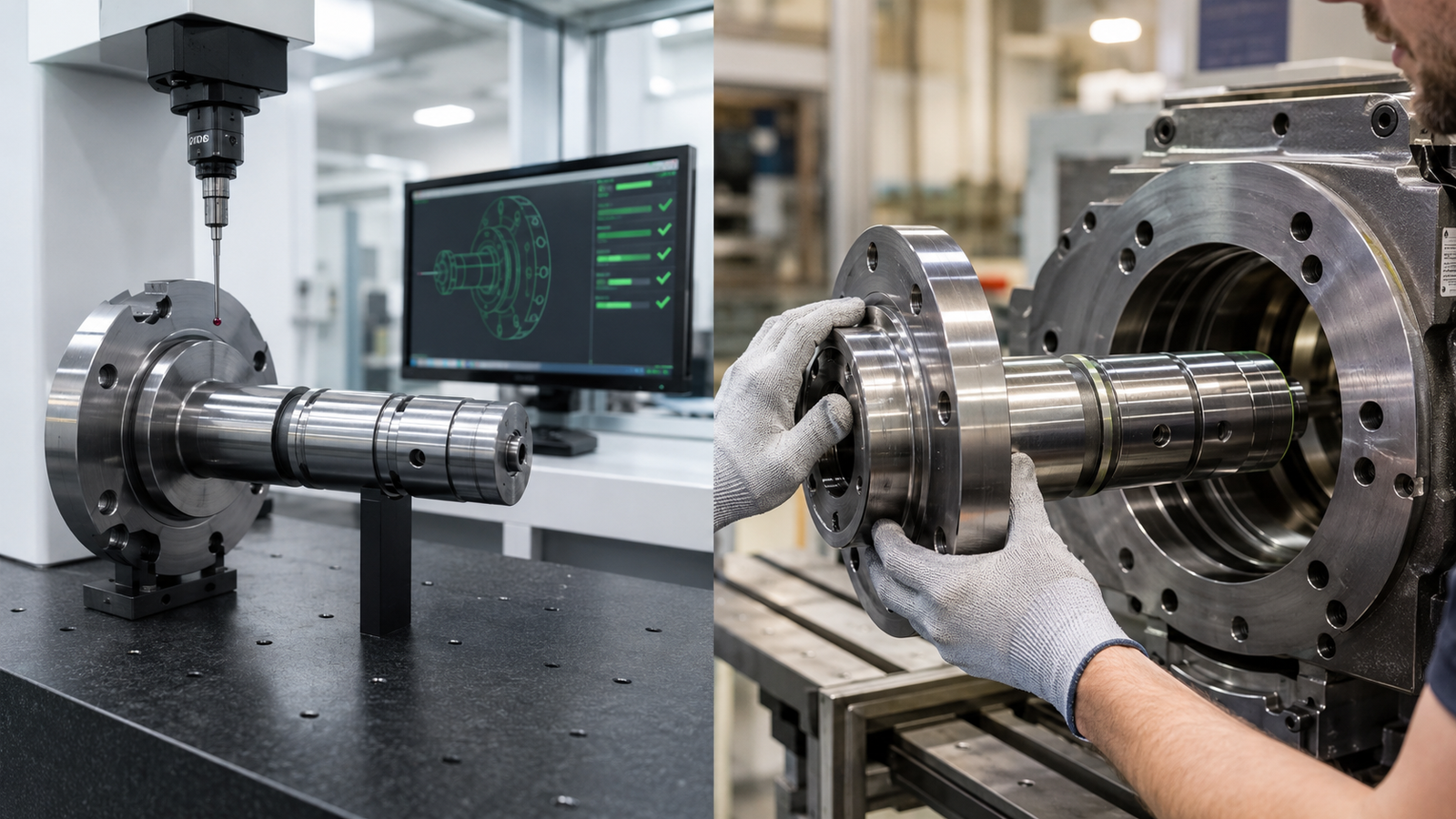
The metal components automation equipment requires are far more varied than most people assume. Joints need high-precision bearing housings and linkages, drivetrain sections need custom gearbox housings, and certain specialized structures can only be achieved with purpose-built cutting tools. This diversity is exactly what makes precision manufacturing for industrial automation such a real challenge.
Most machine shops specialize in a single process, forcing customers to coordinate with three to five different suppliers just to assemble one complete set of components — one for CNC machining, another for material testing, another for strength verification. According to the Association for Advancing Automation, this kind of fragmented supply chain is one of the most common bottlenecks slowing robotics companies as they move from prototype to production. This not only extends prototyping timelines but also makes quality accountability difficult to trace when something goes wrong. When a part fails downstream, pinpointing whether the root cause was the raw material, the machining tolerance, or the heat treatment becomes a multi-party investigation rather than a quick internal check.
Beyond CNC: A Full Process Chain That Matches Automation’s Complexity
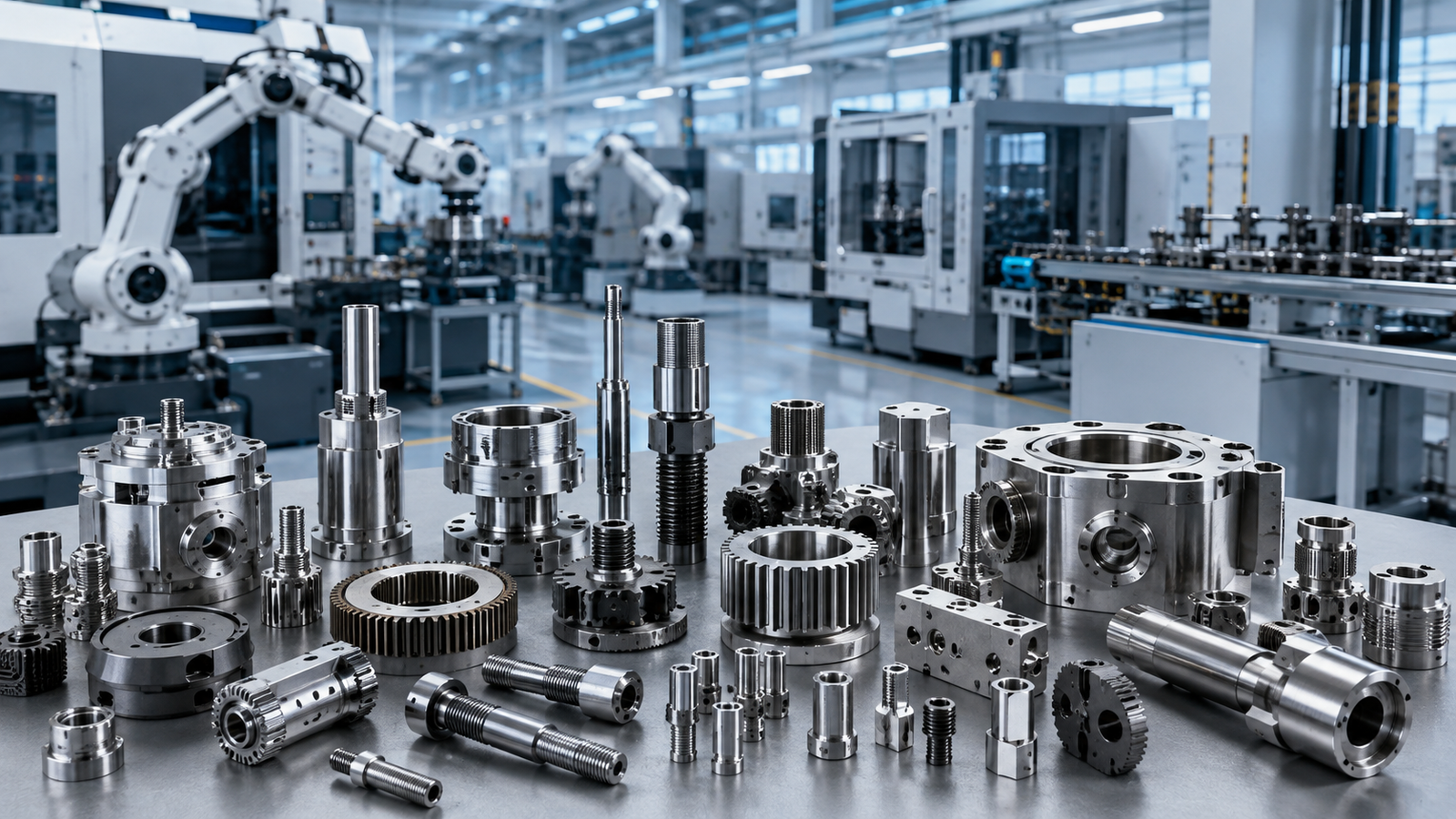
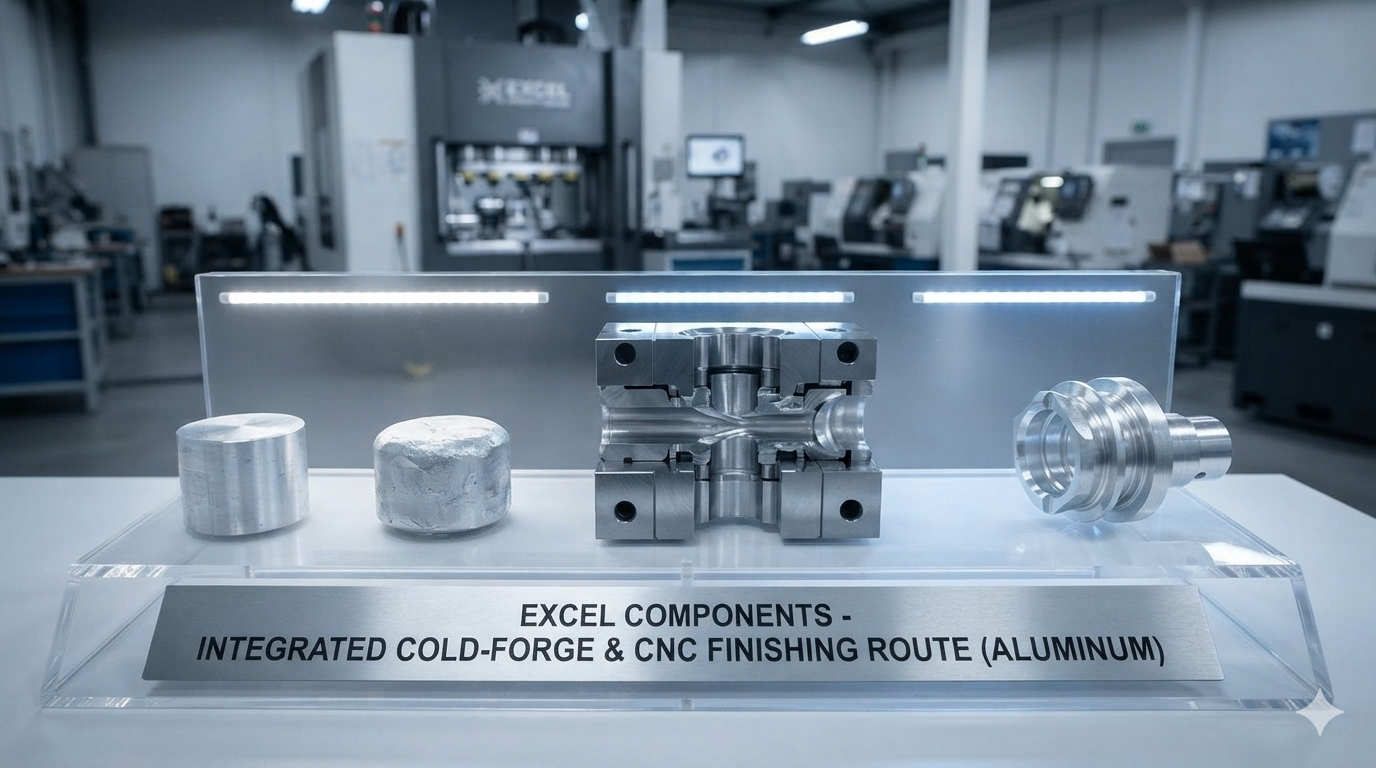
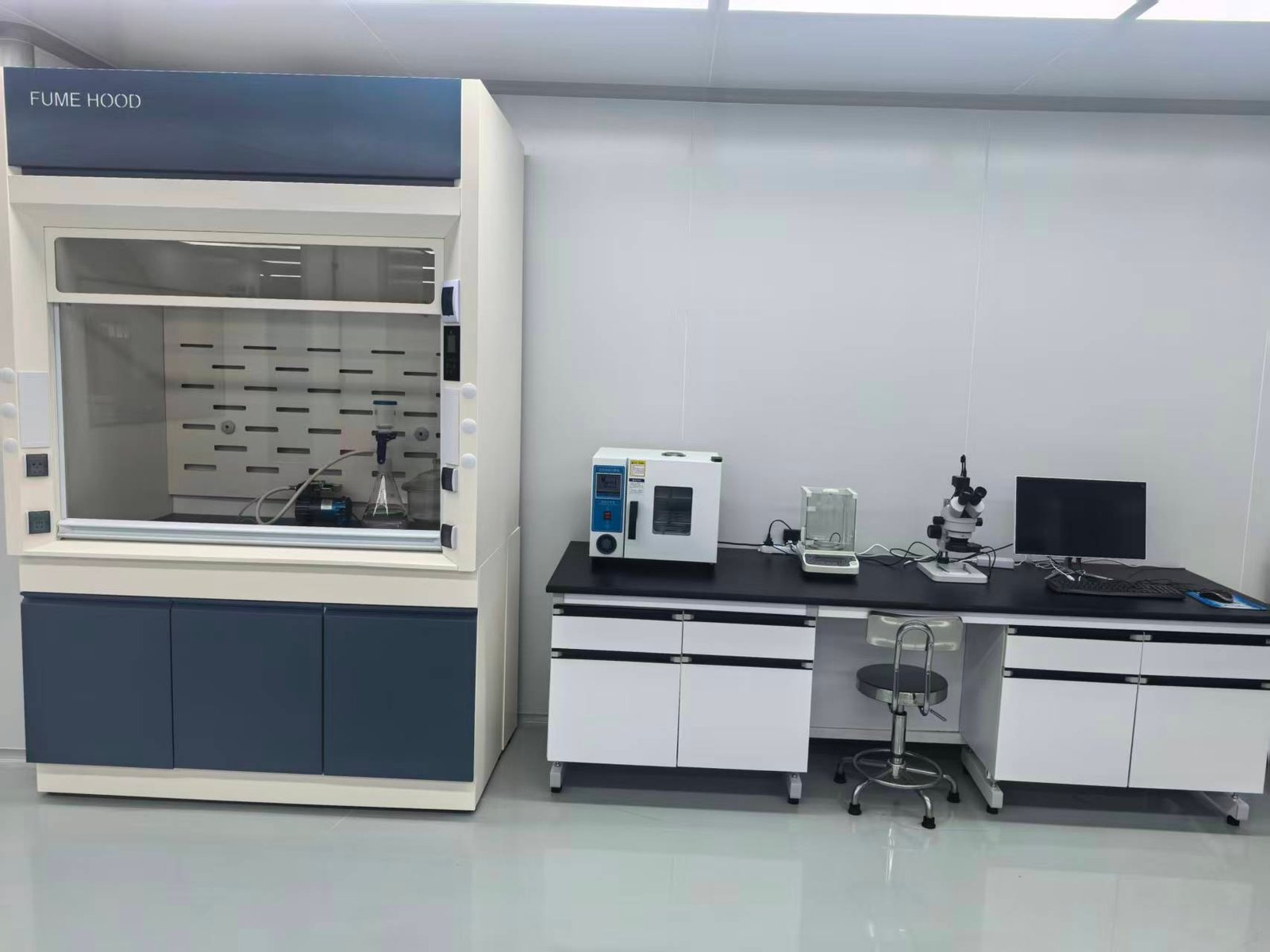
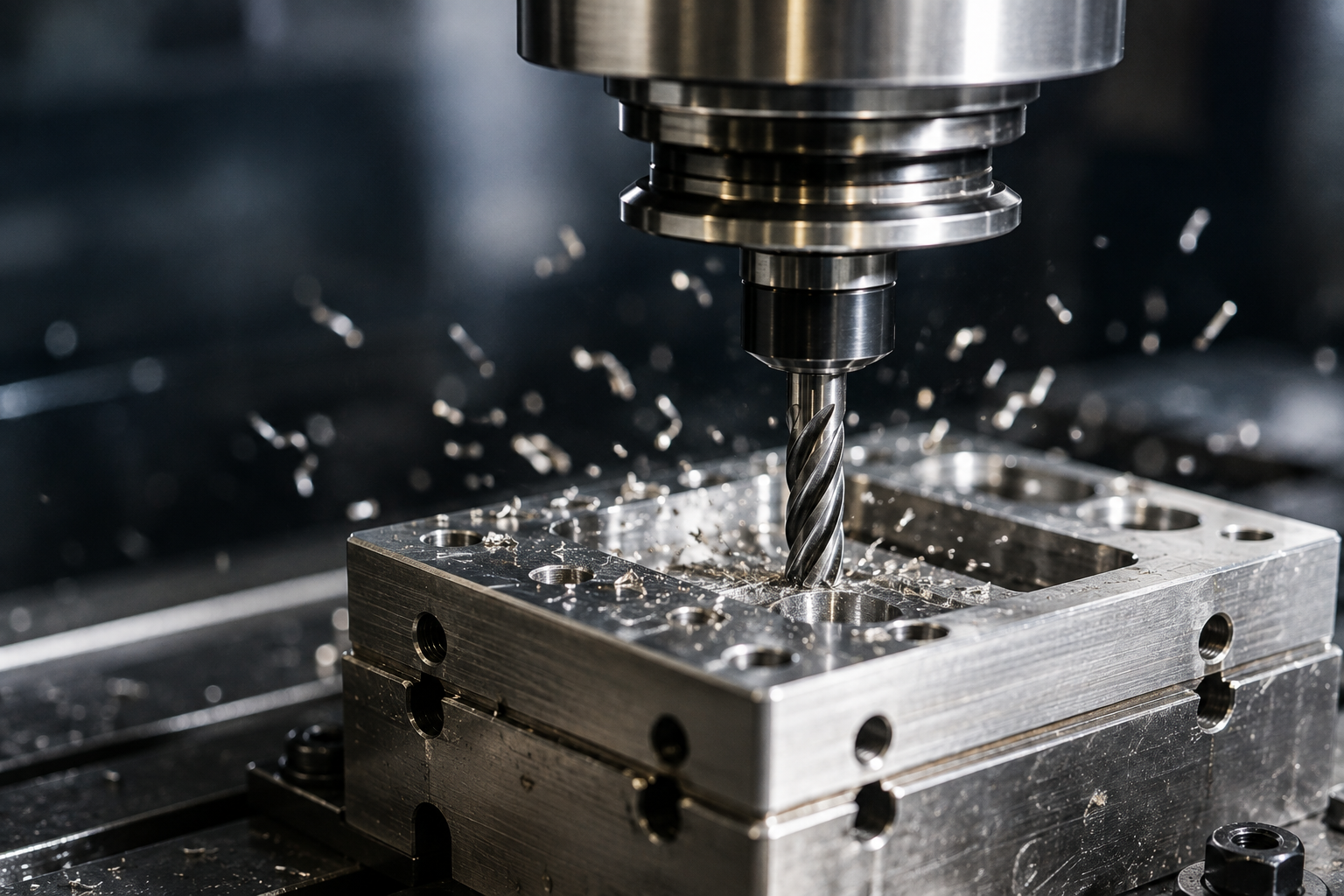
A supplier truly capable of supporting automation customers needs more than CNC machining alone. Beyond our 5-axis CNC equipment, we also operate an in-house tool grinder that can design and grind custom cutting tools for unusual part geometries. We maintain an in-house spectrometer for material composition verification on arrival, and a tensile testing machine that provides real mechanical strength data for every batch.
For customers, this end-to-end process chain means one less set of suppliers to coordinate, faster prototype-to-production transitions, and fully traceable quality data at every stage.
This matters most during the early scaling phase, when robotics companies are still refining part geometries and can’t afford weeks-long delays waiting on a third-party lab or an outside tool shop. A single supplier who can machine the part, grind the tool that made it possible, and verify both material and strength in-house removes an entire layer of coordination risk from the development timeline. That kind of responsiveness is difficult to replicate across a fragmented, multi-vendor supply chain, no matter how skilled each individual supplier may be.
Single-Process Suppliers vs. Full-Process Partners
| Comparison | Single-Process Supplier | Full-Process Partner |
|---|---|---|
| Component variety support | Limited, often split across vendors | Structural, drivetrain, and custom tooling covered |
| Quality verification completeness | Requires external testing | Material and strength data provided in-house |
| Prototype-to-production speed | Slowed by multi-vendor coordination | Single point of contact, faster turnaround |
End-to-End Capability Is the Real Competitive Edge in Automation
For robotics and automation companies scaling production quickly, what matters most in precision manufacturing for industrial automation is no longer the precision of a single process alone — it’s whether a supplier’s full equipment chain can meet component diversity, quality verification, and lead time all at once. As deployment schedules tighten across the industry, the manufacturers who can demonstrate this end-to-end capability will increasingly be the ones trusted with production-scale contracts, not just prototype runs.
If you’re looking for a full-process partner to support your automation component development, we invite you to reach out to our engineering team to discuss your project. Whether you’re still finalizing a joint design or preparing to scale into full production, having one accountable partner across the entire process can shorten your path from prototype to deployment.