





Carbon Reporting Has Become a Real Cost of Doing Business in the EU
CBAM compliance for fastener manufacturers has moved from a distant regulatory concern to an urgent operational priority since the EU’s Carbon Border Adjustment Mechanism (CBAM) entered its transitional phase in October 2023. For Taiwan’s export-oriented fastener industry, this is far more than an environmental regulation — it is a direct examination of supply chain integrity and carbon transparency.
As a trusted global supplier of precision components, EXCEL COMPONENTS understands the reporting pressure and uncertainty our clients face. We are fully committed to providing the production data and transparency required to navigate this complex green trade barrier successfully.
What CBAM Compliance for Fastener Manufacturers Actually Requires
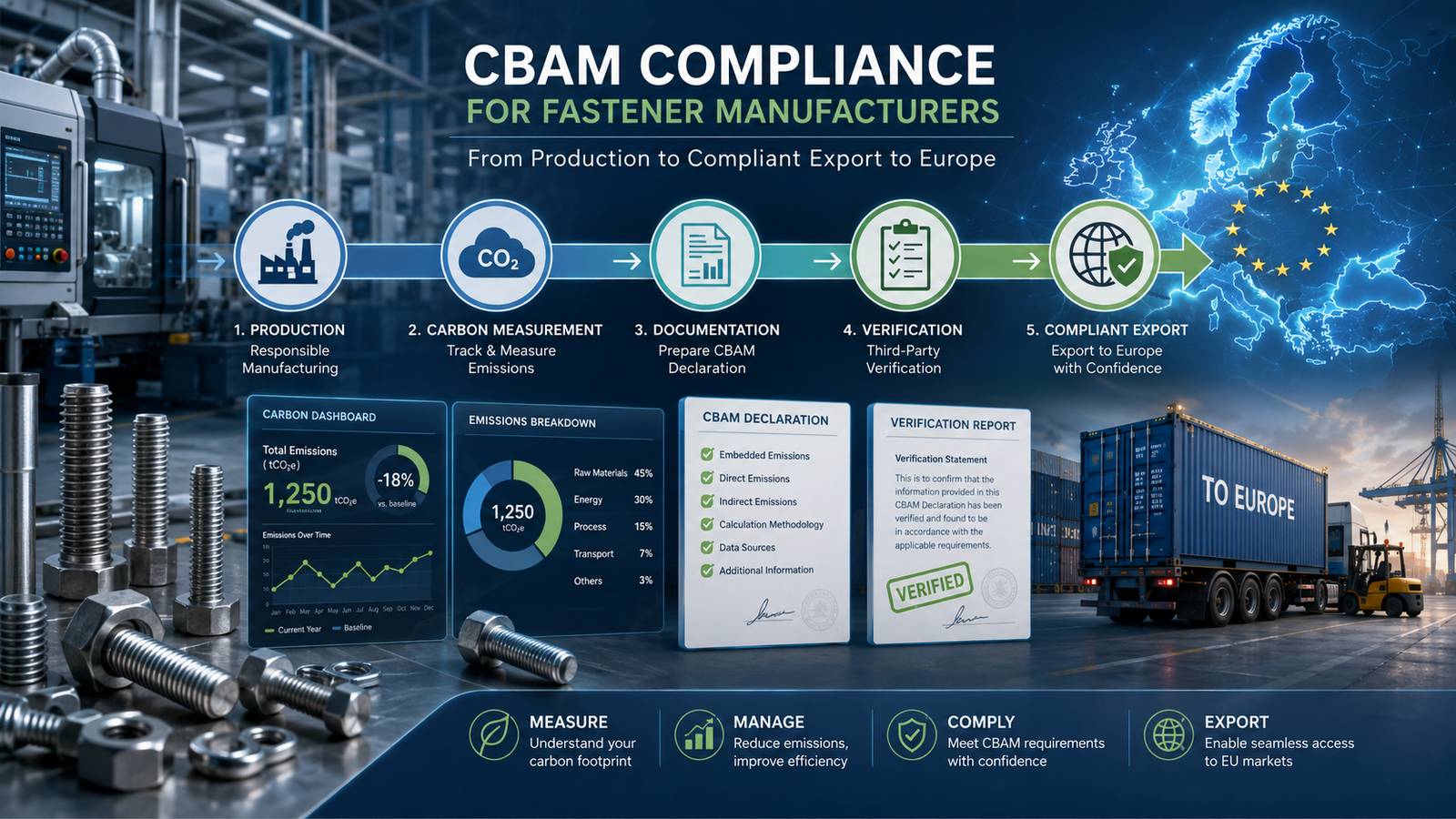
The manufacturing journey of a fastener, from raw material to finished product, is intricate. The production process is inherently energy-intensive, with significant embedded carbon emissions originating from upstream activities long before a part ever reaches final machining.
Accurate CBAM reporting requires transparency across the entire chain, not just at the factory gate. According to the European Commission’s official CBAM guidance, understanding where emissions actually occur — and who is responsible for tracking them — is the first step toward genuine compliance rather than paperwork compliance. This is exactly the kind of transparency that CBAM compliance for fastener manufacturers depends on.
This is precisely where many fastener suppliers struggle. Emissions data is often scattered across multiple upstream vendors, inconsistent in format, and difficult to verify. Without a manufacturer willing to take ownership of this data collection process, buyers are left to piece together carbon figures on their own — a time-consuming task that carries real compliance risk if the numbers don’t hold up to scrutiny.
| Production Stage | Primary Emission Source | Our Operational Role |
|---|---|---|
| Upstream (Tier 1) | Steel bar / raw material smelting | Sourcing certified materials |
| Core Manufacturing | Precision forming, machining (electricity) | Green factory management & optimization |
| Downstream (Tier 2) | Heat treatment, plating (outsourced) | Managing certified green supply chain partners |
Table: Overview of carbon emission sources in the fastener supply chain and EXCEL COMPONENTS’ role in managing each stage.
Four Proactive Strategies for CBAM Readiness

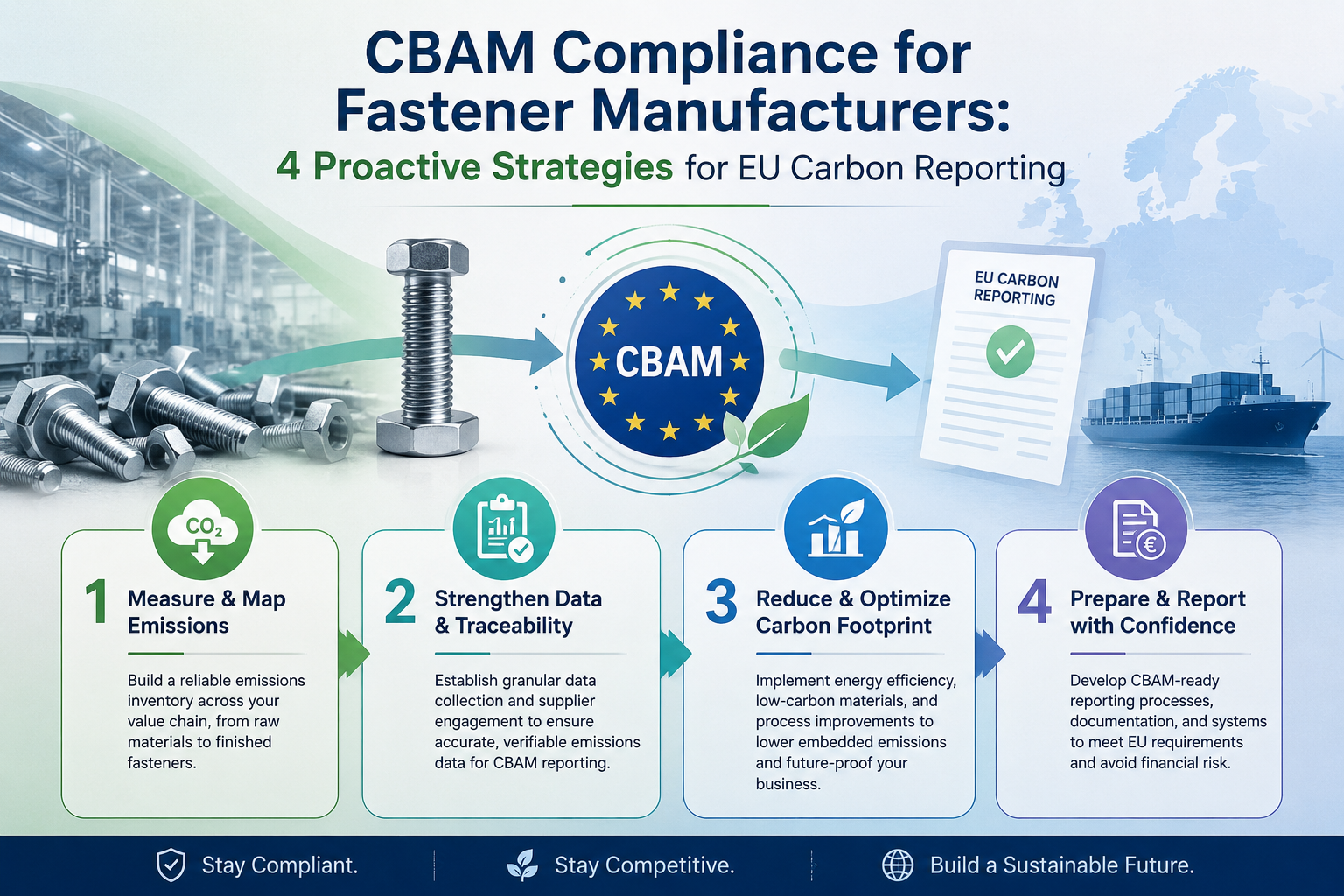
At EXCEL COMPONENTS, we believe in taking concrete, measurable action rather than waiting for regulation to force change. These four strategies form the backbone of how we approach CBAM compliance for fastener manufacturers — not as a one-time reporting exercise, but as an ongoing operational discipline.
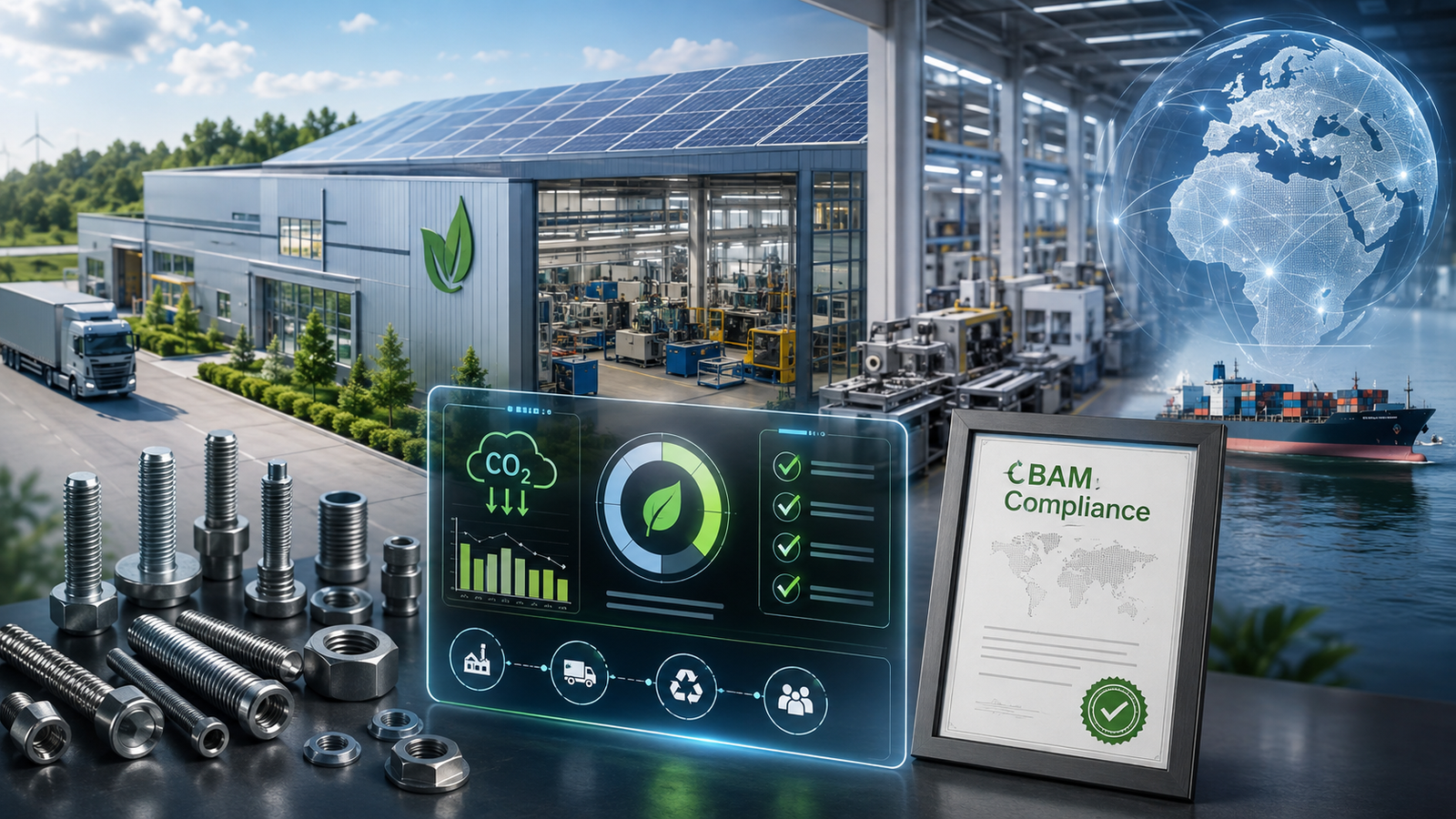
- On-site green energy generation: We have installed solar panels directly at our facility to generate clean energy for our production processes, reducing our reliance on grid electricity and lowering our carbon footprint at the source.
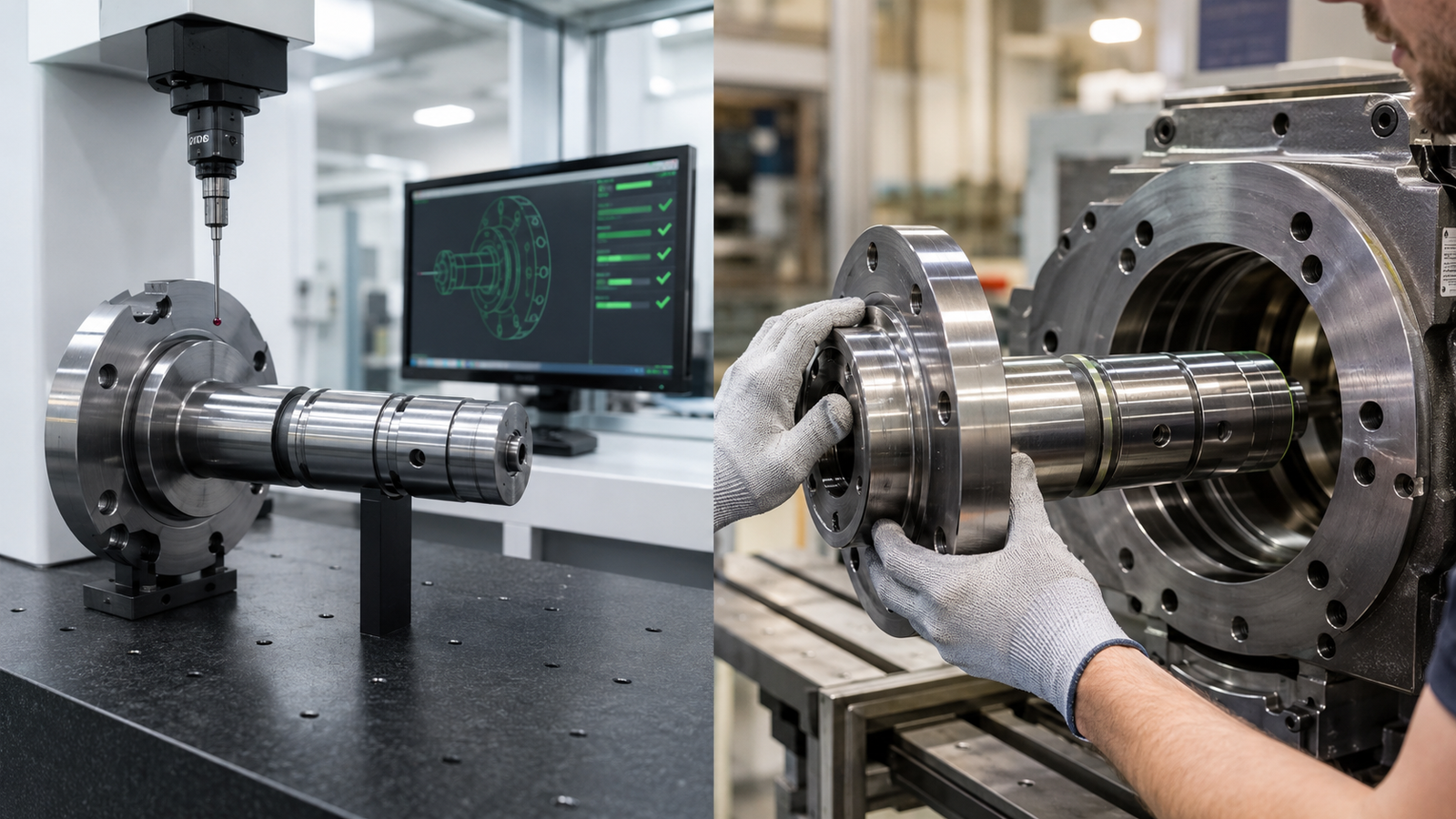
- Energy efficiency and modernization: We are committed to continuous improvement by replacing outdated equipment with high-efficiency machinery, including advanced automated inspection equipment that ensures quality while optimizing energy use.
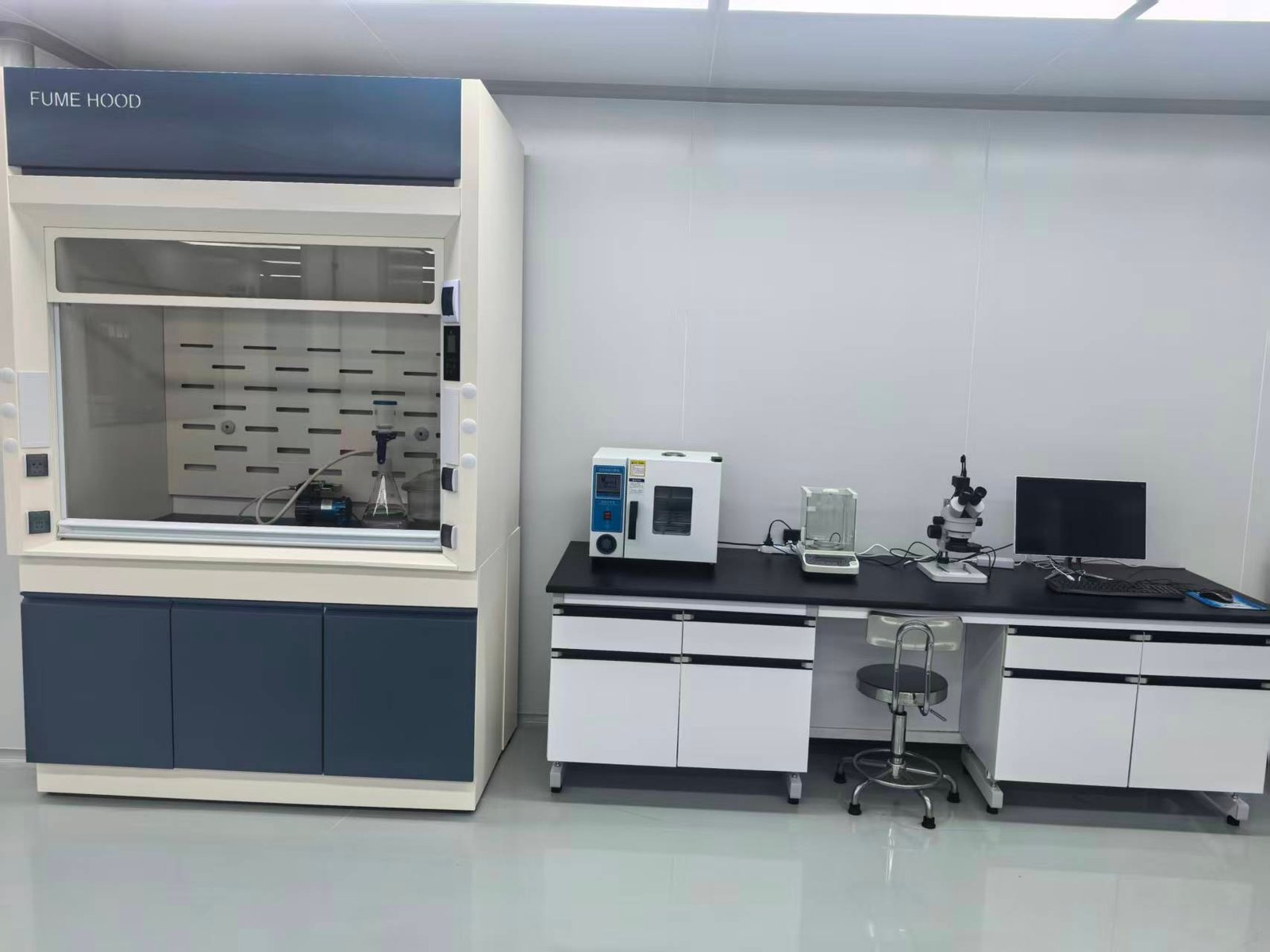
- Supply chain data transparency: We are actively digitalizing our production history to provide robust supply chain traceability. This same commitment to verified data already underpins our in-house material verification process, and we apply the same rigor to carbon data collection with our upstream and downstream partners.
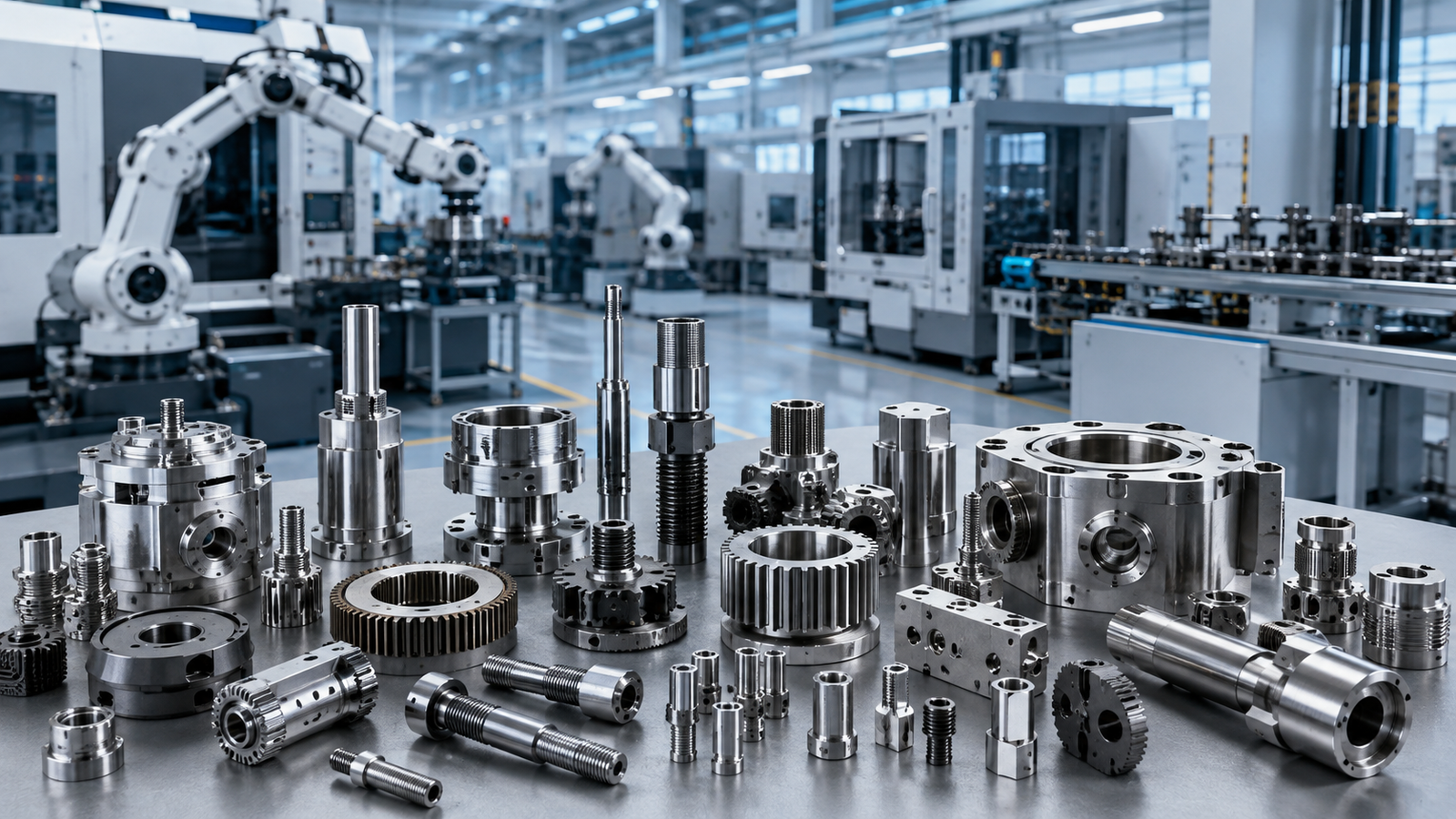
- Precision in customization: Our core competency remains high-precision custom manufacturing based on client blueprints. Producing durable, high-quality fasteners reduces scrap and rework, contributing to long-term resource efficiency across the entire product lifecycle.
Your Resilient Partner Through the Carbon Transition
Regulatory timelines will only tighten from here. The transitional reporting phase is designed to give industry time to adapt, but definitive CBAM certificate obligations are on the horizon, and manufacturers who wait until the deadline to start tracking their carbon data will find themselves scrambling. Building this capability now, rather than later, is what separates a resilient supplier from a reactive one.
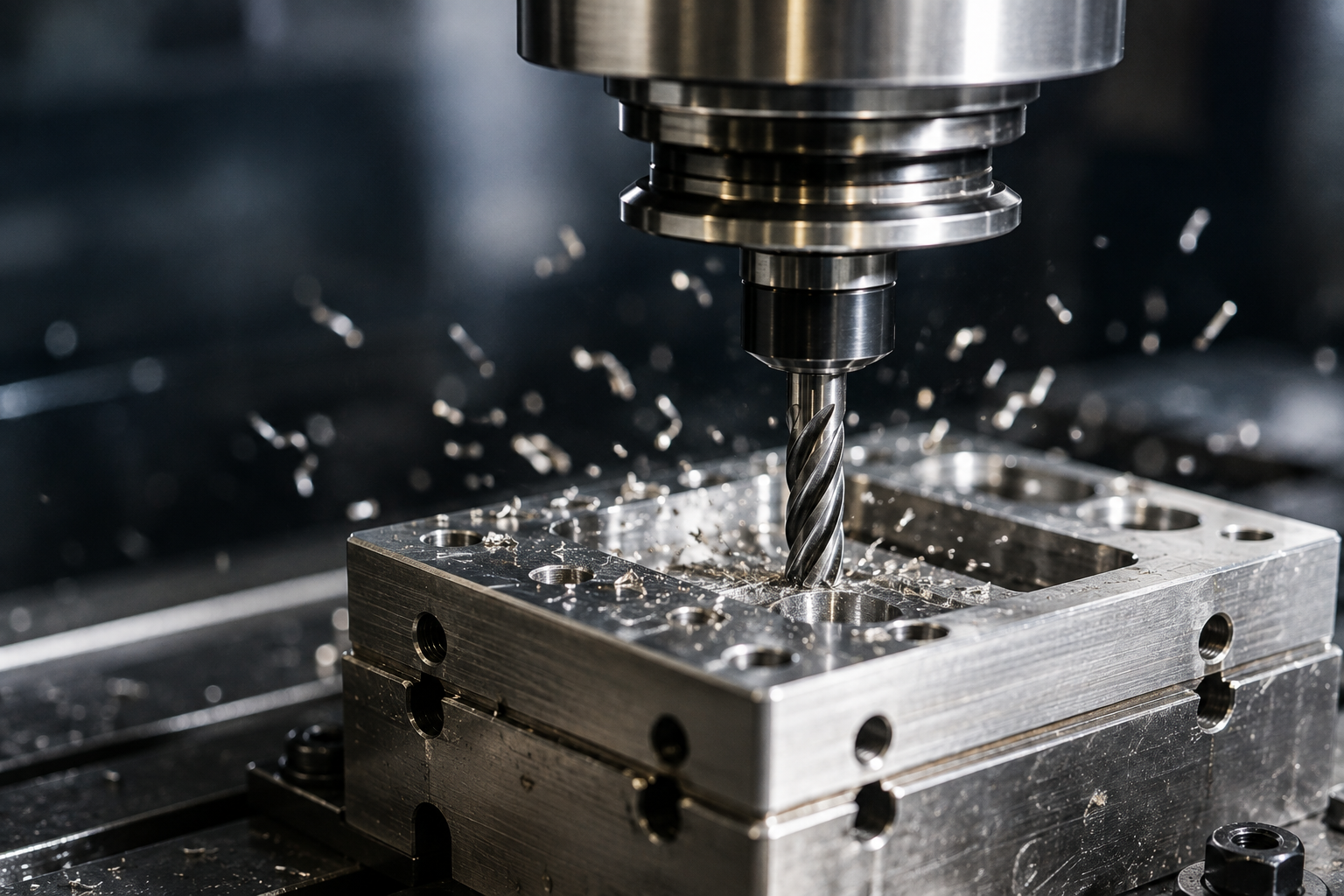
The road to net-zero manufacturing requires collaboration, not just compliance paperwork. By choosing EXCEL COMPONENTS, you are partnering with a manufacturer that combines decades of precision engineering expertise, demonstrated through our full CNC machining capabilities, with a serious operational commitment to sustainable manufacturing.
We are ready to help you secure your supply chain against regulatory volatility. CBAM compliance for fastener manufacturers doesn’t have to mean uncertainty on your end — it can mean working with a supplier who already has the data, the equipment, and the transparency in place. If you have questions about how our capabilities support your compliance efforts, we invite you to reach out to our experts.
Contact Our Engineering Team today to discuss your specific needs and requirements.