





Custom hardware parts machining is one of the most searched terms among engineers and procurement teams looking for a dependable metal parts supplier — and for good reason. Tight tolerances, slow prototyping, and inconsistent mass-production quality are frequent pain points that can delay a launch or quietly erode profit margins. Fortunately, a few clear evaluation criteria can help you avoid choosing the wrong supplier and set realistic expectations from the very first quote.
Struggling to Find a Reliable Custom Hardware Parts Machining Supplier?
Many buyers discover — often too late — that a low quote does not guarantee good results. Missed tolerances, delayed prototypes, and unstable batch quality are common complaints, and they usually surface only after production has already begun. Before committing to any supplier, it is worth understanding exactly what separates a dependable custom hardware parts machining provider from the rest, since the difference often shows up in ways a quotation sheet alone cannot reveal.
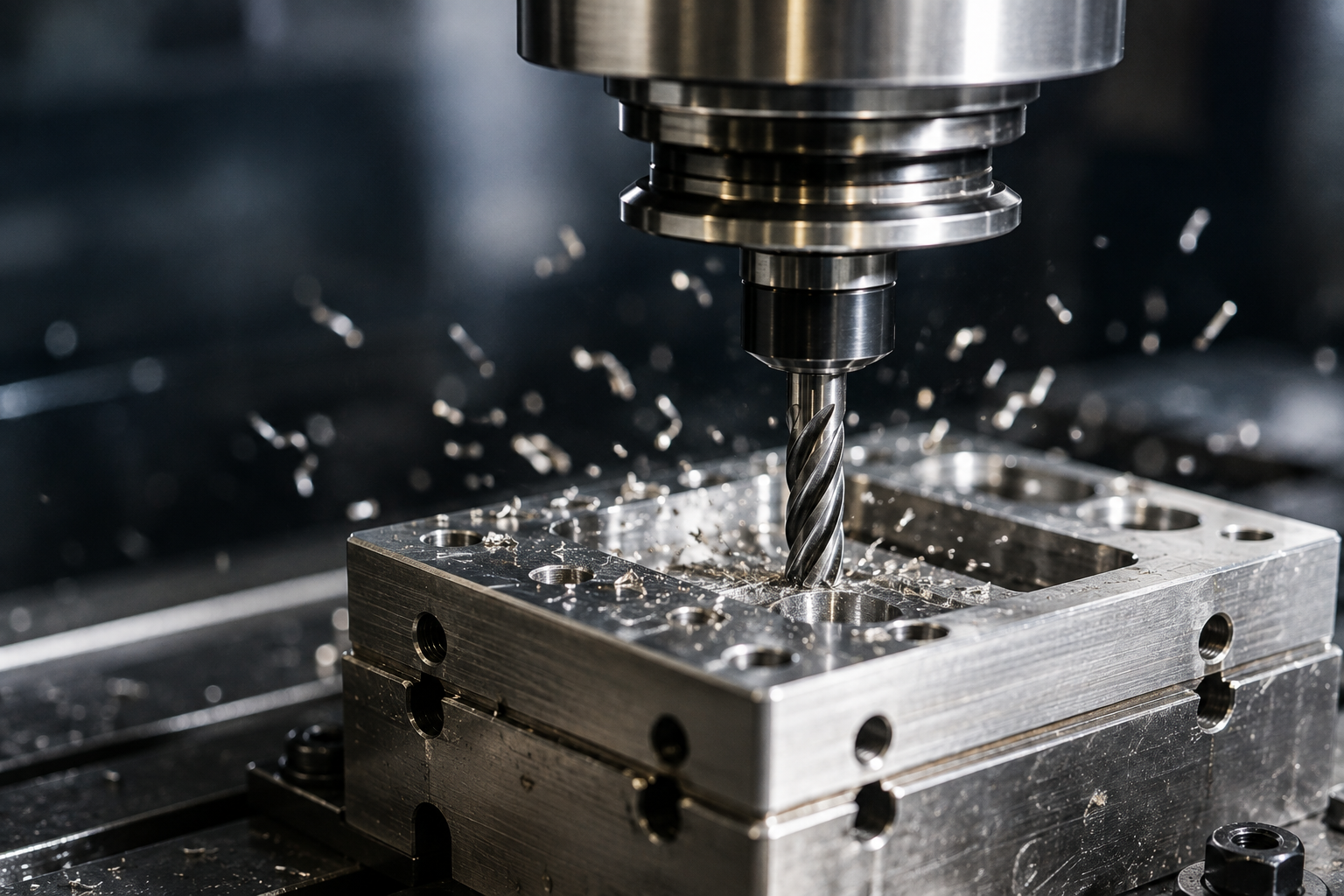
Custom hardware parts machining refers to producing metal components — through CNC turning, milling, or multi-axis machining — according to a customer’s drawings or specifications. Unlike standard off-the-shelf parts, custom machining accommodates special dimensions, materials, or functional requirements, and is widely used in connectors, fittings, and automation equipment. Because every drawing carries its own tolerance stack and surface-finish requirements, the process demands both precise programming and disciplined quality control at every stage.
5 Criteria for a Trustworthy Custom Hardware Parts Machining Recommendation
Not every machining shop can meet demanding industrial requirements, and the gap between an average supplier and a truly capable one usually becomes obvious only after several batches have already shipped. The table below summarizes the criteria that matter most when evaluating a custom hardware parts machining partner, so you can screen candidates before committing to a full production run.
| Criteria | Why It Matters |
|---|---|
| Equipment & Technical Capability | CNC turn-mill and 5-axis machines handle complex geometries with fewer secondary operations. |
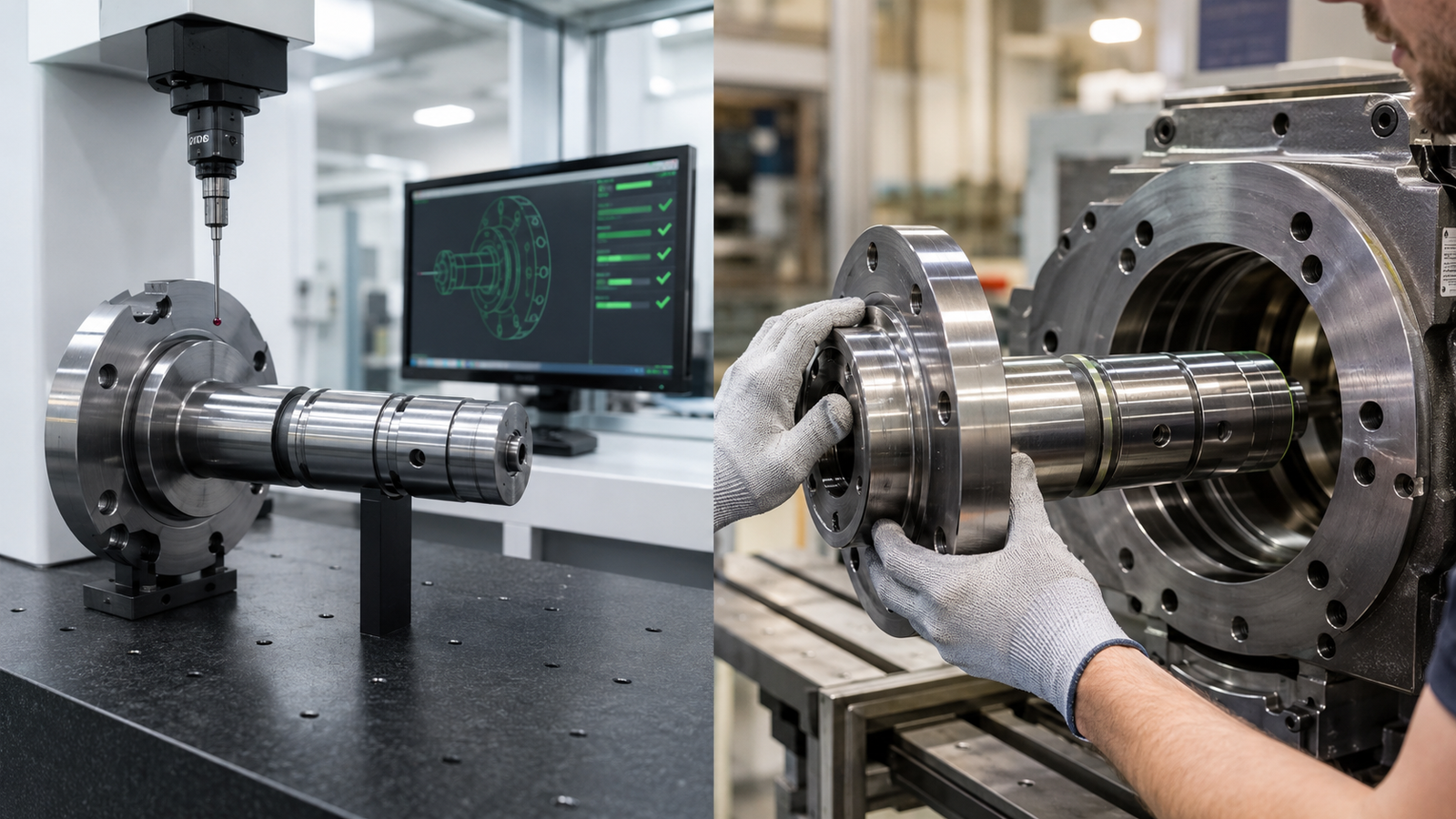
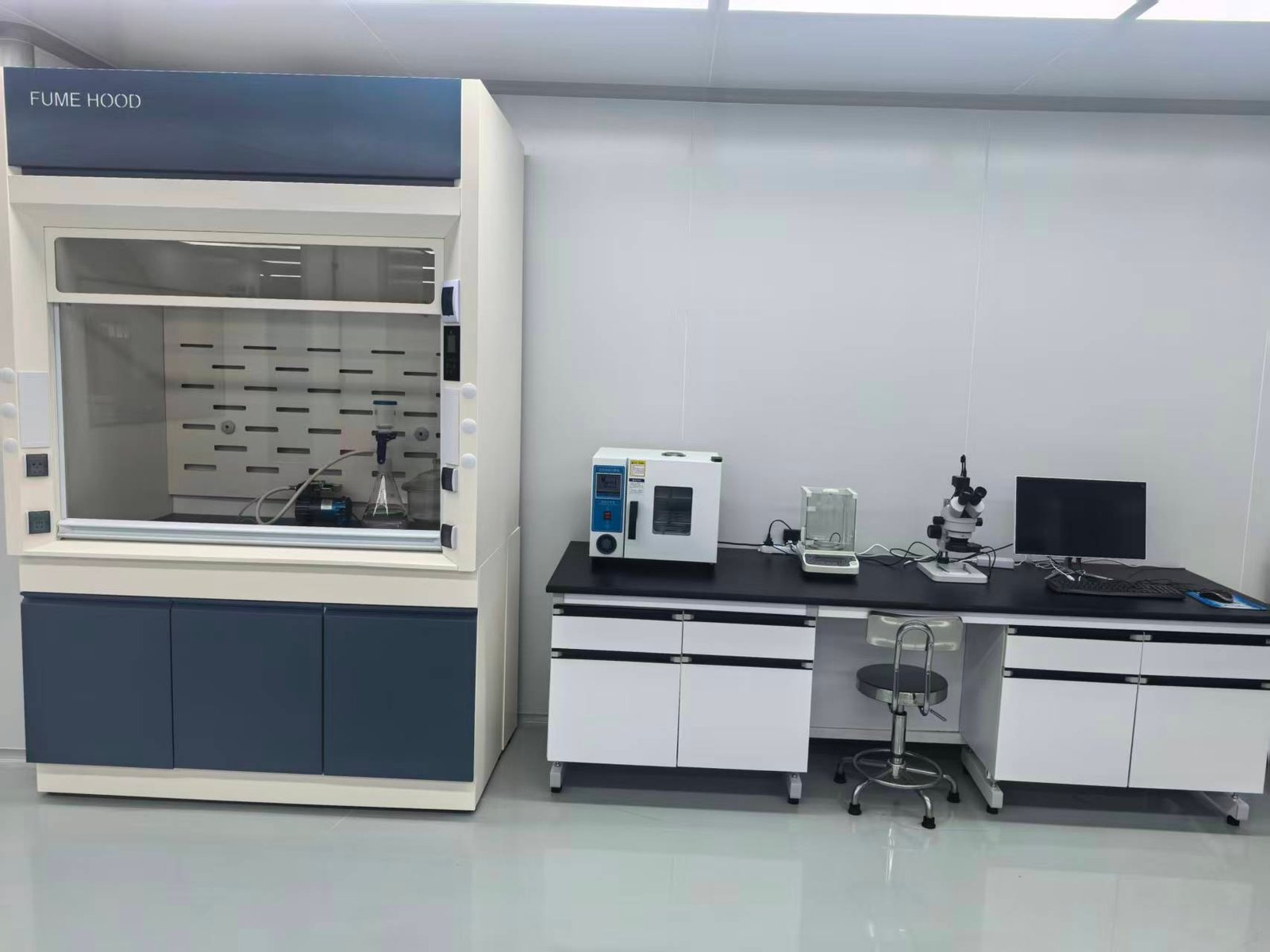
| Tolerance & Inspection Process | Equipped with lab-grade inspection facilities, including CMM and full dimensional reporting, to ensure batch-to-batch consistency. |
| Prototyping Speed | Fast, accurate samples shorten your product development cycle. |
| Material Expertise | Proactive material guidance prevents costly design revisions later. |
| Delivery Reliability | Consistent lead times protect your own production schedule. |
Watch: Custom hardware parts machining in action
Industries That Depend on Precision Custom Hardware Parts Machining
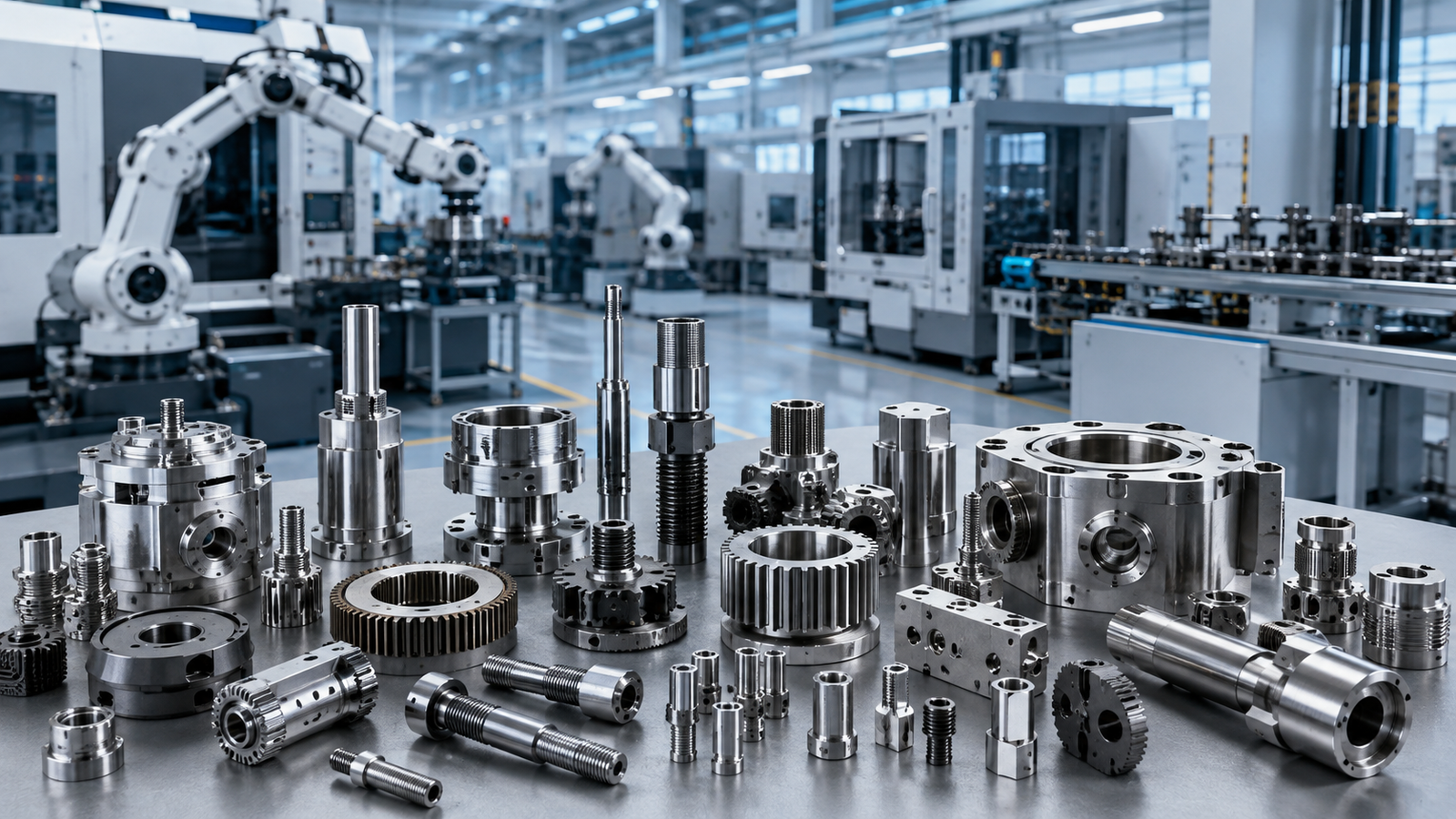
Custom hardware parts are widely used in connectors and fittings, automation equipment, pneumatic and hydraulic components, and precision instruments. These industries demand strict dimensional tolerances, where even a minor deviation can affect assembly yield or, in some cases, cause a finished product to fail in the field. As products become more compact and more automated, the margin for error in each machined part continues to shrink.
- Connector and fitting manufacturing
- Industrial automation equipment
- Pneumatic and hydraulic systems
- Precision instruments and sensors
What Makes Clients Stay With the Same Machining Partner
Most companies stick with one trusted machining supplier for good reason: stable quality, smooth communication, and predictable lead times. Constantly switching suppliers to chase lower quotes often raises validation costs and increases production risk, since every new supplier requires its own round of sample approval, documentation, and process verification — making a long-term partnership the more cost-effective choice over the life of a product.
A strong machining partner also becomes an extension of your own engineering team, flagging design-for-manufacturing issues early and suggesting alternative materials or tolerances before a drawing ever reaches the shop floor. That kind of collaboration is difficult to replicate every time you switch vendors, which is another reason long-term relationships tend to outperform one-off, price-driven purchases.
Get Your Custom Hardware Parts Machining Quote Today
If you are evaluating options for custom hardware parts machining, start by assessing equipment capability, quality control, and prototyping flexibility. Send us your drawings or specifications, and our team will respond with a detailed quote and a feasibility assessment covering tolerances, material options, and realistic lead times.
Contact Our Engineering Team today to move your project from design to production with confidence.